Essential Baby Safety Guide: Expert Tips for Baby’s First Year
September 25, 2024
Welcome to our comprehensive guide on baby safety for your little one's first year. As new parents, ensuring your baby's well-being is your top priority, and we're here to help you navigate this crucial time. At Motherhood Center in Houston, founded by Houston's top maternity and newborn expert Gabriela Gerhart, we understand the challenges and joys of caring for a newborn, so we've compiled this essential resource on home and car safety for babies.From creating a safe home environment to mastering car seat safety, this article covers all aspects of baby safety. We'll also explore the importance of professional support and how Motherhood Center's services can assist you on your parenting journey. Whether you're seeking postpartum doula services, CPR certification, or help finding reputable childcare, Motherhood Center is your trusted partner in this exciting journey of parenthood.
Key Takeaway
Description
Baby-proof your home
Create a safe environment by securing furniture, covering outlets, and removing hazards before your baby becomes mobile.
Master car seat safety
Choose the right car seat, install it correctly, and use it properly to ensure your baby's safety during travel.
Adapt safety measures as baby grows
Stay vigilant and update your safety strategies to match your baby's developing abilities and curiosity.
Prepare for emergencies
Learn infant CPR, create an emergency plan, and assemble a baby-specific first aid kit for quick response to potential incidents.
Seek professional support
Utilize Motherhood Center's resources, including classes, doula services, and support groups, to enhance your parenting skills and confidence.
Creating a Safe Home Environment
Ensuring your home is a safe haven for your baby is crucial for their well-being and your peace of mind. Let's explore the essential steps to create a secure environment for your little one.
Baby-proofing essentials
Start by getting down to your baby's level and identifying potential hazards. Install safety locks on cabinets and drawers, cover electrical outlets, and secure loose cords. Remove or cushion sharp corners on furniture, and ensure all cleaning products and medications are stored out of reach.
Safe sleeping practices
Create a safe sleep environment by using a firm mattress in a crib that meets current safety standards. Keep the crib free of blankets, pillows, and toys. Always place your baby on their back to sleep, and maintain a comfortable room temperature to reduce the risk of Sudden Infant Death Syndrome (SIDS). For parents struggling with establishing healthy sleep habits, Motherhood Center offers professional sleep coaching services to help your family get the rest you need while ensuring your baby's safety.
Kitchen and bathroom safety
In the kitchen, use stove knob covers and keep hot items away from counter edges. In the bathroom, set your water heater to 120°F (49°C) to prevent scalding, and never leave your baby unattended during bath time. Install toilet locks and keep medications and cleaning supplies in high, locked cabinets.
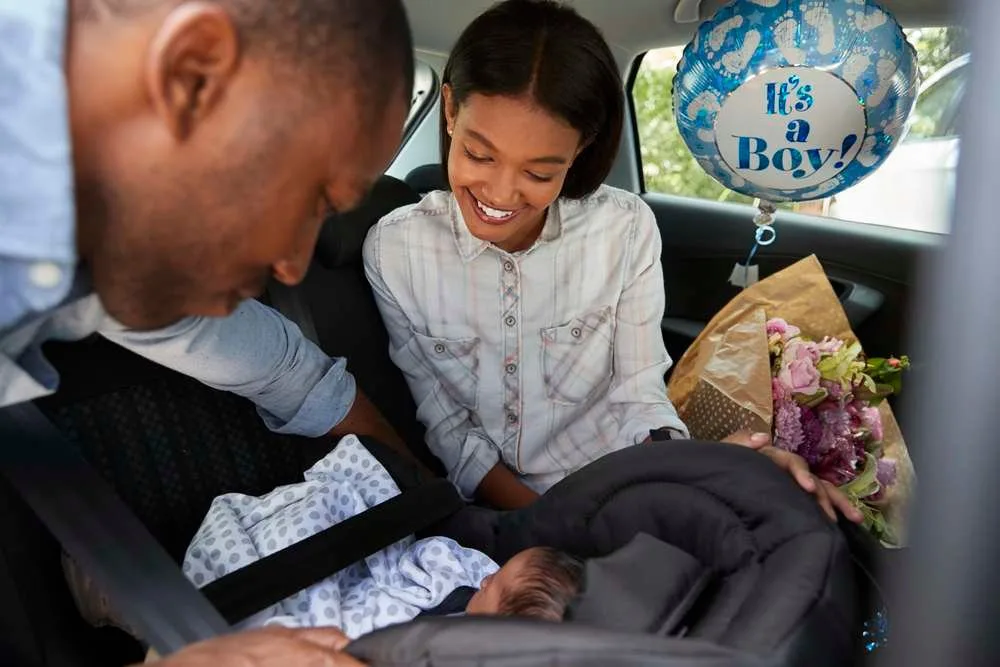
A three months old baby girl in car seat carrier is being put into the car by his father
Car Safety for Infants
Ensuring your baby's safety while traveling is paramount. Let's look at the essential aspects of car safety for infants.
Choosing the right car seat
Select a rear-facing car seat appropriate for your baby's age, weight, and height. Infant-only seats are designed for newborns and smaller babies, while convertible seats can be used longer as your child grows. Always check for proper fit and consult your car seat's manual for specific guidelines.
Proper installation and use
Correctly install the car seat according to both the seat and vehicle manuals. Ensure the seat is tightly secured and doesn't move more than an inch in any direction. When placing your baby in the seat, adjust the harness straps to fit snugly, with the chest clip at armpit level.
Safe driving habits with a baby
Never leave your baby alone in the car, even for a short time. Avoid distractions while driving by placing your phone out of reach and pulling over if your baby needs attention. Keep loose items secured, as they can become projectiles in a sudden stop or crash.
Childproofing as Your Baby Grows
As your baby becomes more mobile, new safety concerns arise. Stay one step ahead by adapting your home to your growing baby's abilities.
Addressing new hazards for crawlers
Once your baby starts crawling, reassess your home from their perspective. Use safety gates at the top and bottom of stairs, and secure area rugs to prevent slips. Keep small objects that could be choking hazards off the floor and out of reach.
Securing furniture and windows
Anchor heavy furniture like bookshelves and dressers to the wall to prevent tipping. Install window guards or window stops to prevent falls, and keep blind cords out of reach. Ensure TVs are securely mounted or placed on sturdy, low furniture.
Electrical and cord safety
Cover unused electrical outlets and secure electrical cords along baseboards or behind furniture. Be mindful of items with long cords, such as baby monitors or lamps, and keep them out of your baby's reach to prevent strangulation hazards.
Emergency Preparedness
Being prepared for emergencies is a crucial aspect of baby safety. Let's explore how to equip yourself with the necessary skills and resources.
CPR and first aid certification
Enroll in a CPR and first aid course specifically designed for infants and children. Motherhood Center offers CPR certification classes to help you feel confident in handling emergencies. Refresh your skills regularly to stay up-to-date with the latest techniques.
Creating an emergency plan
Develop a family emergency plan that includes important phone numbers, evacuation routes, and a designated meeting place. Share this plan with caregivers and family members. Keep emergency contacts easily accessible, including your pediatrician's number and poison control.
Assembling a baby-specific first aid kit
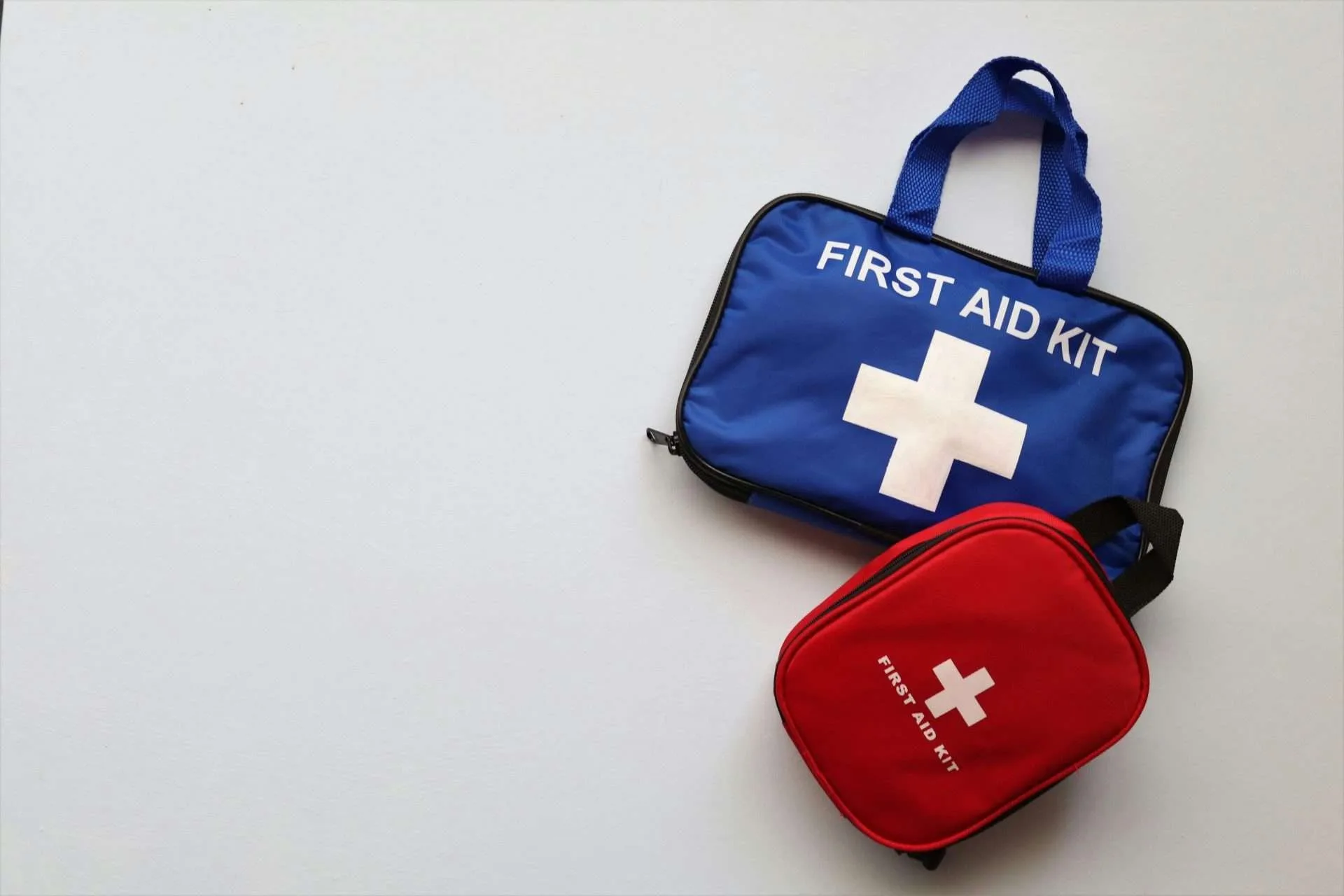
Create a first aid kit tailored to your baby's needs. Include items such as baby-safe pain relievers, a rectal thermometer, saline drops, and infant-sized bandages. Keep the kit easily accessible but out of your baby's reach, and regularly check expiration dates on medications.
The Importance of Professional Support at Motherhood Center
Our Newborn Care classes provide essential knowledge and hands-on practice for new parents. These classes cover topics such as feeding, diapering, bathing, and understanding your baby's cues. Gain confidence in your parenting skills and learn the latest safety recommendations for newborns.
Value of reputable childcare and doula services
Motherhood Center offers reputable childcare services and postpartum doula support. Our experienced professionals provide personalized care for your baby and support for you during the postpartum period. From newborn care specialists to nanny placement services, we ensure your family receives top-quality care. Our rigorous screening process for all childcare providers includes background checks, reference checks, and in-depth interviews to guarantee the safety and well-being of your child.
Joining support groups and accessing additional resources
Connect with other parents through our New Mom's Meet Up and New Dad's Group sessions. These support groups offer a safe space to share experiences, ask questions, and learn from others who are going through similar challenges. Our Mom and Baby Check-In services provide additional support and guidance as you navigate early parenthood. One of our experts will review feedings, diaper changing, baths, car seat safety, and more.
Sleep Coaching and Night Nanny services
For families struggling with sleep issues, Motherhood Center offers professional sleep coaching services. Our experts work with you to develop a customized sleep plan that ensures your baby's safety while helping everyone get better rest. We also provide night nanny services, offering overnight support from experienced professionals who can care for your baby while you get much-needed sleep.
Conclusion
Ensuring your baby's safety during their first year is the top priority for every parent. By implementing these home and car safety tips, staying prepared for emergencies, and seeking professional support, you can create a secure environment for your little one to thrive. Remember, baby safety is an ongoing process that evolves as your child grows and explores their world.Motherhood Center is dedicated to supporting you in all aspects of baby safety and care. From our comprehensive Newborn Care classes to CPR certification courses, professional childcare services, and specialized offerings like sleep coaching, we provide the resources you need to feel confident in your parenting journey. Our Mom and Baby Check-In services offer personalized guidance on crucial baby safety topics, while our support groups connect you with other parents navigating similar baby safety challenges.Take the first step towards enhancing your baby's safety and your peace of mind. We encourage you to contact Motherhood Center today to explore our wide range of classes, support groups, and services designed with baby safety in mind. Whether you're looking for sleep solutions, parenting tips, or general baby care advice, our team of experts is ready to help. Let Motherhood Center be your trusted partner in creating a safe, nurturing environment for your growing family, always keeping baby safety at the forefront of our mission.
FAQs
When should I start baby-proofing my home?
Start baby-proofing before your baby arrives or begins to crawl, typically around 6-9 months. It's easier to prepare in advance and adjust as your baby grows.
How often should I replace my baby's car seat?
Replace your baby's car seat if it's been involved in a moderate to severe crash, has expired (check the manufacturer's guidelines), or shows signs of wear and tear. Most car seats expire 6-10 years after the manufacture date.
What's the safest sleep position for my baby?
Always place your baby on their back to sleep, on a firm mattress in a crib that meets current safety standards. This position significantly reduces the risk of Sudden Infant Death Syndrome (SIDS).
How can I ensure my baby's bath time is safe?
Never leave your baby unattended during bath time, even for a moment. Use a safe water temperature (around 100°F or 38°C), keep essential items within reach, and use a non-slip mat in the tub.
When should I take a baby CPR class?
It's best to take a baby CPR class before your baby is born or as soon as possible after birth. Refresh your skills annually or whenever there are updates to CPR guidelines.
Welcome to Motherhood Center! We're glad you're here and want you to know that we respect your privacy and your right to control how we collect and use your personal data. Please read our Privacy Policy to learn about our privacy practices. Privacy Policy