Start small, check for allergens, consider overnight options, and prioritize eco-friendly choices.
Motherhood Center
Offers parenting classes, lactation consultations, doula services, childcare, and more for Houston families.
As a new parent, one of the first (and most frequent) decisions you’ll make is choosing the best diapers for your newborn. With so many options on the market, it can feel overwhelming to find the right fit for your baby’s comfort and your peace of mind. At Motherhood Center, Houston’s trusted resource for parenting and prenatal education, we’re here to help you navigate this essential choice.In this guide, we’ll break down the top diaper brands for 2025, share expert tips on what to look for, and highlight why the right diaper matters for your baby’s health and happiness. Plus, we’ll show you how Motherhood Center supports Houston parents with classes, consultations, and more.
Why Choosing the Best Diapers Matters
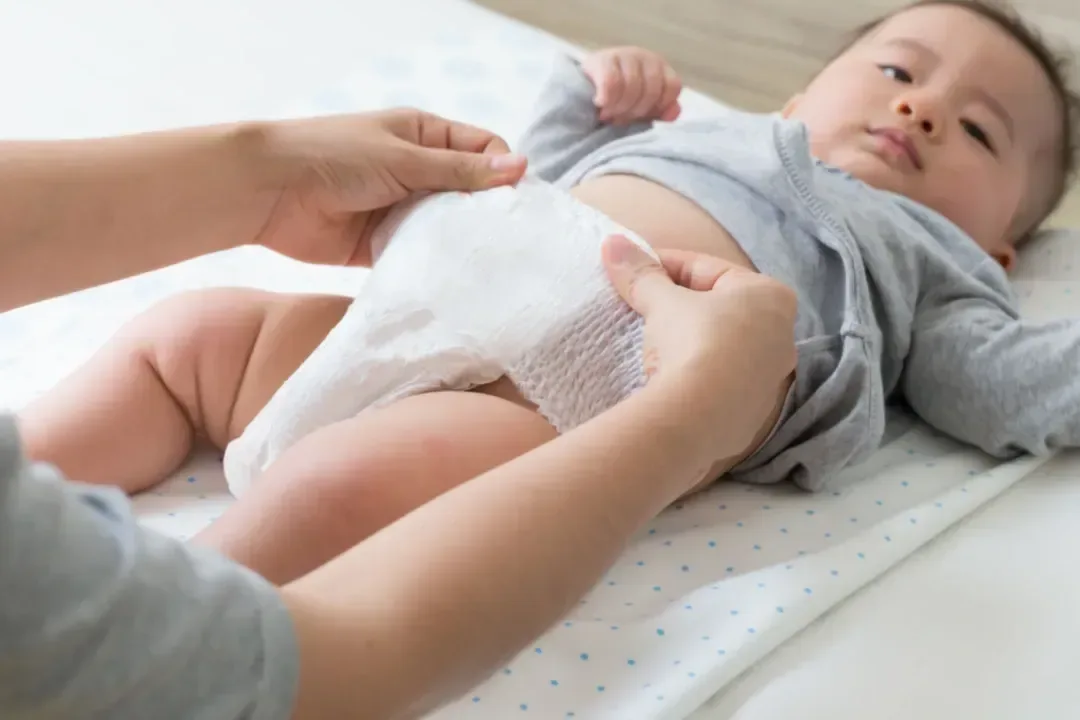
Diapers are more than just a convenience—they’re a critical part of your baby’s daily comfort and health. The best diapers prevent leaks, reduce the risk of diaper rash, and keep your baby dry and happy. For parents, the right diapers can mean fewer midnight changes and less stress. When selecting diapers, consider these factors:
Absorbency: Keeps your baby dry longer.
Fit: Prevents leaks and ensures comfort.
Materials: Hypoallergenic options are ideal for sensitive skin.
Cost: Cloth diapers can save money long-term, while disposables offer convenience.
Sustainability: Eco-friendly options, including cloth diapers, are gaining popularity.
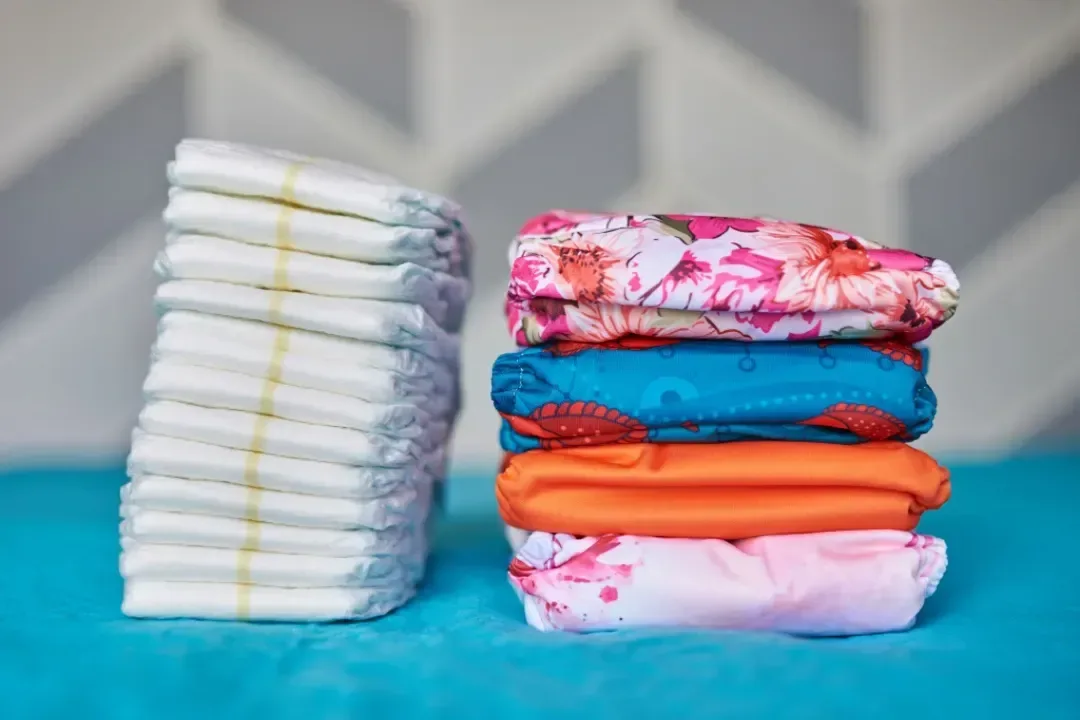
Cloth vs. Disposable Diapers: What’s the Difference?
Feature
Cloth Diapers
Disposable Diapers
Cost
Higher upfront cost ($200−$500), but saves money long-term.
Lower upfront cost ($50−$100/month), but more expensive over time.
Eco-Friendliness
Reusable and biodegradable options available.
Some brands offer eco-friendly materials, but most contribute to landfill waste.
Convenience
Requires washing and drying.
No washing needed—just toss and go.
Absorbency
May require more frequent changes.
Highly absorbent for longer wear.
Fit
Adjustable for a custom fit.
Pre-sized for easy use.
Cloth diapers and disposable diapers each have their pros and cons. Here’s a quick comparison:
Here are the top-rated diaper brands for 2025, including both cloth and disposable options:
Expert Tips for Choosing the Best Diapers
Start with a Small Pack: Before committing to a bulk purchase, try a smaller pack to see how your baby responds.
Check for Allergens: If your baby has sensitive skin, opt for hypoallergenic or fragrance-free options.
Consider Overnight Diapers: For longer sleep stretches, overnight diapers offer extra absorbency.
Look for Wetness Indicators: These handy features let you know when it’s time for a change.
Think About Sustainability: Eco-friendly diapers, including cloth options, are better for the planet and often free from harsh chemicals.
How Motherhood Center Supports Houston Parents
At Motherhood Center, we’re more than just a resource for finding the best diapers—we’re your partner in parenting. Located in Houston, we’ve been helping families for over 25 years with:
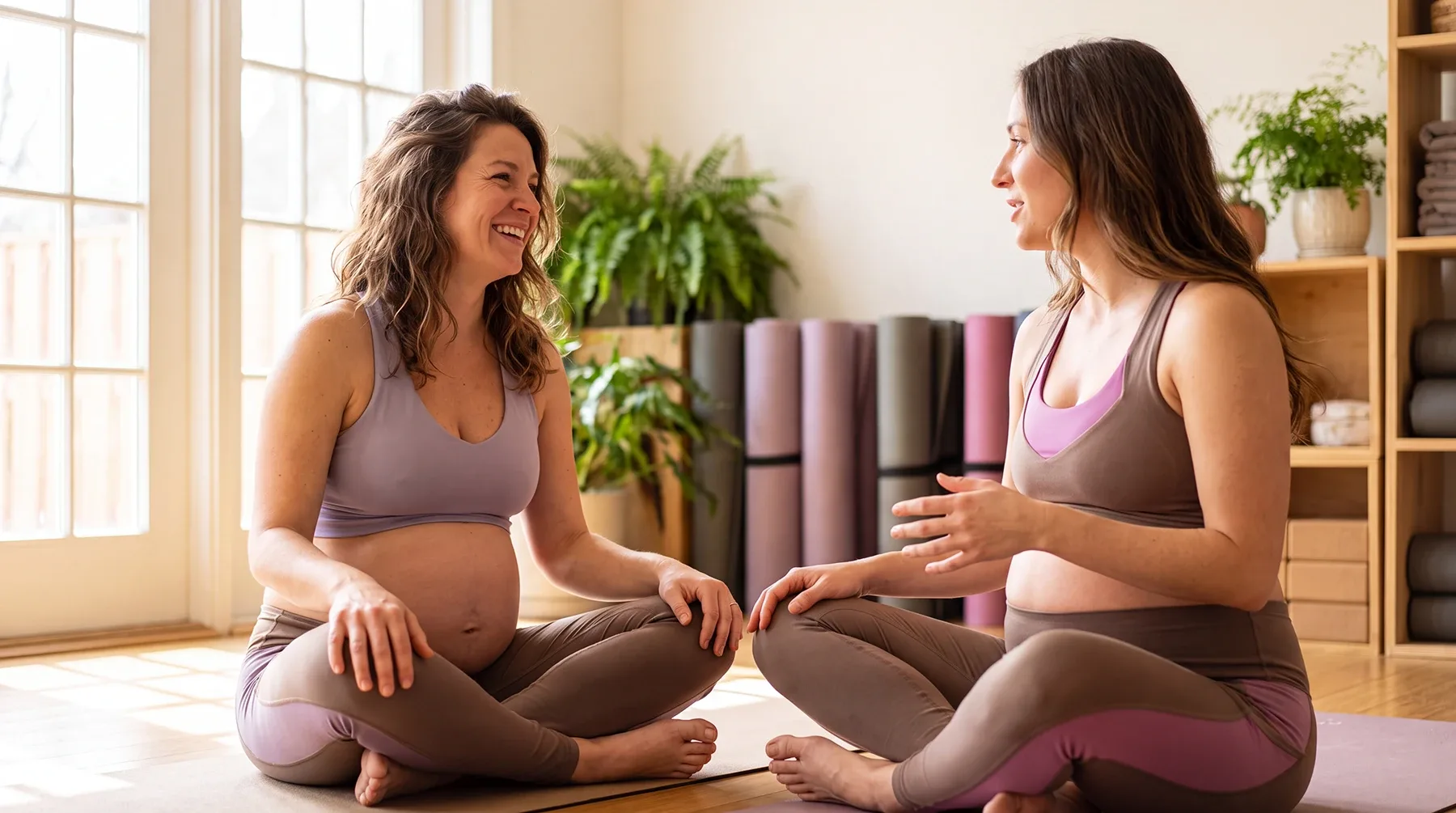
Massage and Fitness Services: Prenatal and postnatal massage, yoga, and Pilates to keep you feeling your best.
Whether you’re looking for in-person classes or virtual support, Motherhood Center is here to help you thrive as a new parent.
Final Thoughts
Choosing the best diapers for your newborn is one of the many decisions you’ll make as a new parent, and it can significantly impact your baby’s comfort and your daily routine. With so many excellent options available in 2025, from ultra-soft Pampers Swaddlers to eco-friendly Dyper, you’re sure to find a diaper that works for your family.Remember, the right diaper isn’t just about preventing leaks—it’s about ensuring your baby stays dry, comfortable, and happy. And if you ever feel overwhelmed, Motherhood Center is here to help. From maternity consultations and doula services to parenting classes and childcare solutions, we provide the resources and support you need to confidently navigate this exciting chapter of life.Contact us today to discover why we’re the go-to destination for new parents. Because when it comes to parenting, you deserve the best—from the diapers you choose to the community you rely on.
FAQs
How many diapers does a newborn go through in a day?
Newborns typically use 8-12 diapers per day. Stock up, but don’t overbuy until you know which brand works best.
Are eco-friendly diapers as effective as traditional ones?
Yes! Brands like Hello Bello and Dyper offer eco-friendly options that are just as absorbent and leak-proof.
What’s the difference between newborn and size 1 diapers?
Newborn diapers are designed for smaller babies (under 10 lbs) and often have a notch for the umbilical cord. Size 1 diapers fit babies 8-14 lbs.
How can I prevent diaper rash?
Change diapers frequently, use a barrier cream, and choose diapers made for sensitive skin.
When should I switch to a larger diaper size?
If you notice red marks, leaks, or difficulty fastening the diaper, it’s time to size up.
Welcome to Motherhood Center! We're glad you're here and want you to know that we respect your privacy and your right to control how we collect and use your personal data. Please read our Privacy Policy to learn about our privacy practices. Privacy Policy