Supplements may be necessary depending on your diet, preferences, and lifestyle.
Motherhood Center offers expert-led classes and postpartum doula support to help guide your recovery journey.
After childbirth, your body enters an often overlooked stage of recovery and transformation. While most of the attention shifts to your newborn (and understandably so), your healing and well-being matter just as much. That’s where smart, intentional postpartum nutrition comes in.Postpartum nutrition isn’t about bouncing back or “losing the baby weight.” It’s about fueling recovery, restoring your strength, supporting your mental health, and ensuring you have the energy to care for your baby. Whether you had a vaginal delivery or a C-section, your body has been through a lot, and what you eat now plays a major role in how you heal.At Motherhood Center, we understand the unique needs of postpartum moms. That’s why we offer specialized classes in breastfeeding nutrition and postpartum support from experienced doulas who can guide you with hands-on help and holistic recovery strategies.Let’s explore what your body truly needs after birth, and how you can nourish it right.
What Your Body Needs After Giving Birth
Protein: The Building Block of Healing
Your body just completed a marathon. Protein helps repair tissues, regulate hormones, and maintain your immune system, making it essential during postpartum recovery.Best Sources:
Eggs
Lean poultry and meats
Dairy (Greek yogurt, cheese)
Beans, lentils, and chickpeas
Tofu and tempeh
Salmon and sardines
Tip: Include a source of protein at every meal to rebuild and recharge.
Iron: Replenish and Re-energize
Blood loss during delivery can leave you depleted. Low iron levels can cause fatigue, brain fog, and dizziness, symptoms that new moms already battle without adding anemia into the mix.Best Sources:
Beef and lamb
Liver
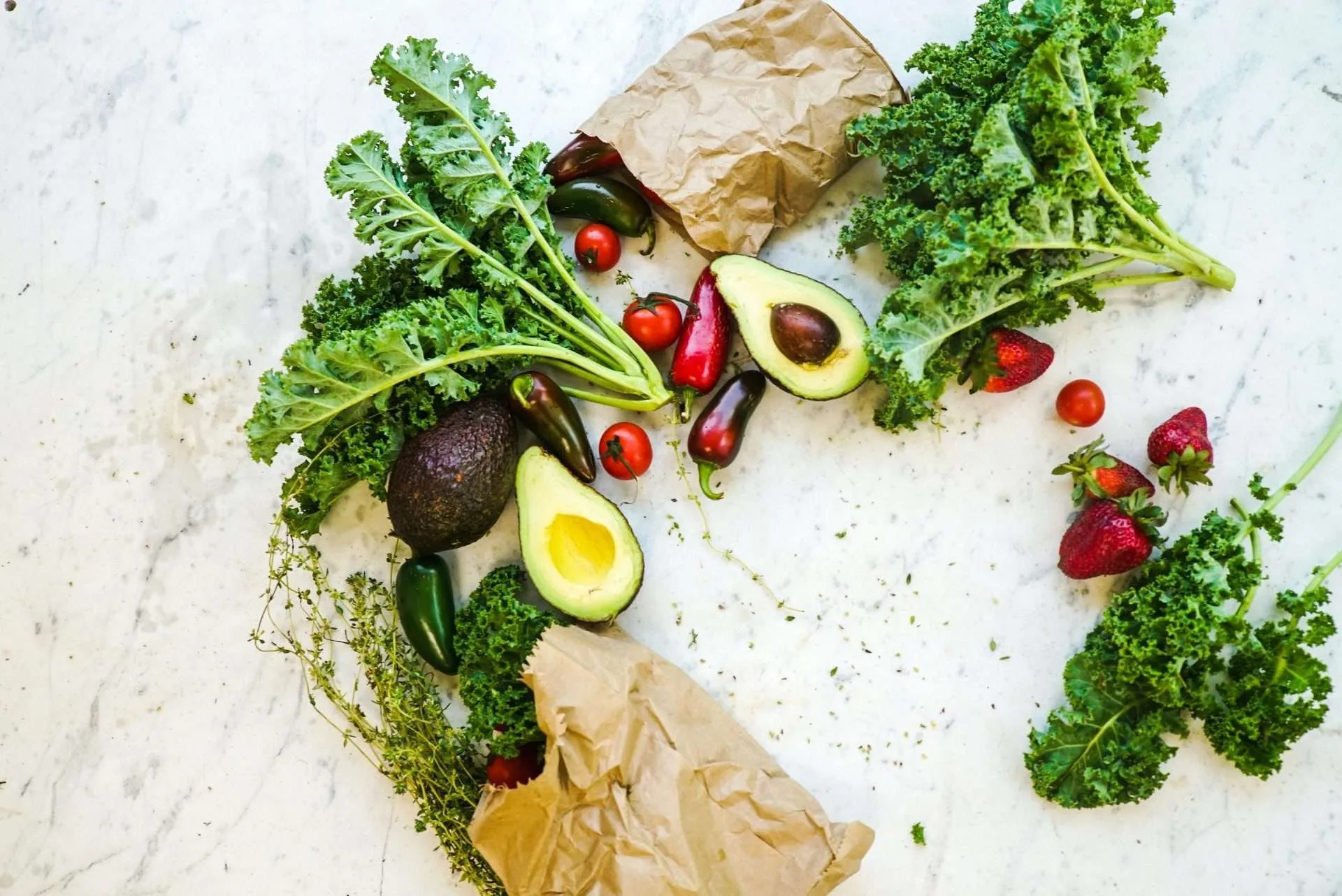
Spinach, kale, and chard
Legumes
Iron-fortified cereals
Pro Tip: Pair iron-rich foods with vitamin C (like oranges or bell peppers) to boost absorption.
Vitamin B12: Fuel for Your Nerves and Energy
Vitamin B12 supports nerve health, red blood cell production, and mental clarity. It’s especially vital if you’re breastfeeding.Best Sources:
Animal products (meat, eggs, dairy)
Clams, tuna, and salmon
Fortified cereals or plant-based milks
If you're vegan or vegetarian, a B12 supplement is non-negotiable.
DHA (Omega-3 Fatty Acids): Brain and Mood Support
DHA not only supports your baby’s brain development through breastmilk, but it also helps protect you from postpartum depression.Best Sources:
Salmon, mackerel, and sardines
DHA-enriched eggs
Chia and flaxseeds
DHA supplements (especially if you don’t eat fish)
Most moms benefit from continuing a DHA supplement during the postpartum months.
Choline: A Memory-Boosting Powerhouse
Choline is one of those unsung heroes of postpartum nutrition. It’s crucial for liver function, nervous system health, and your baby’s brain development.Best Sources:
Egg yolks
Beef liver
Soybeans
Brussels sprouts and broccoli
Fun fact: Just two eggs a day can cover over half of your choline needs!
Vitamin D: Strong Bones and a Stronger Mood
If you’re feeling extra sluggish or emotionally off, low vitamin D could be part of the picture. It supports bone health, mood regulation, and immune function.Best Sources:
Fatty fish like tuna and salmon
Fortified milk and orange juice
Egg yolks
Sun exposure (10–15 minutes daily)
Supplementation is often recommended, especially for moms with limited sun exposure or darker skin tones.
Calcium: Support for Your Bones (and Baby’s)
If you’re breastfeeding, your calcium needs jump. Your body prioritizes milk production, sometimes at the expense of your bones. Calcium helps maintain bone density and prevent long-term issues.Best Sources:
Magnesium and zinc work quietly behind the scenes to support tissue repair, hormone balance, and immune strength.Best Sources:
Pumpkin seeds and almonds
Whole grains (quinoa, oats, barley)
Leafy greens
Dark chocolate (yes, really!)
Craving chocolate? Your body might be asking for magnesium.
Foods That Help Your Body Renourish
Want a postpartum plate that does it all? Start with these whole-food heroes:
Oily fish (salmon, sardines): Packed with DHA and vitamin D.
Eggs: Full of protein, choline, and B12.
Liver: Nutrient-dense and iron-rich, best in small servings.
Bone broth: Hydrating, collagen-packed, and gentle on digestion.
Leafy greens: Rich in folate, iron, and antioxidants.
Oats and quinoa: Provide steady energy and fiber.
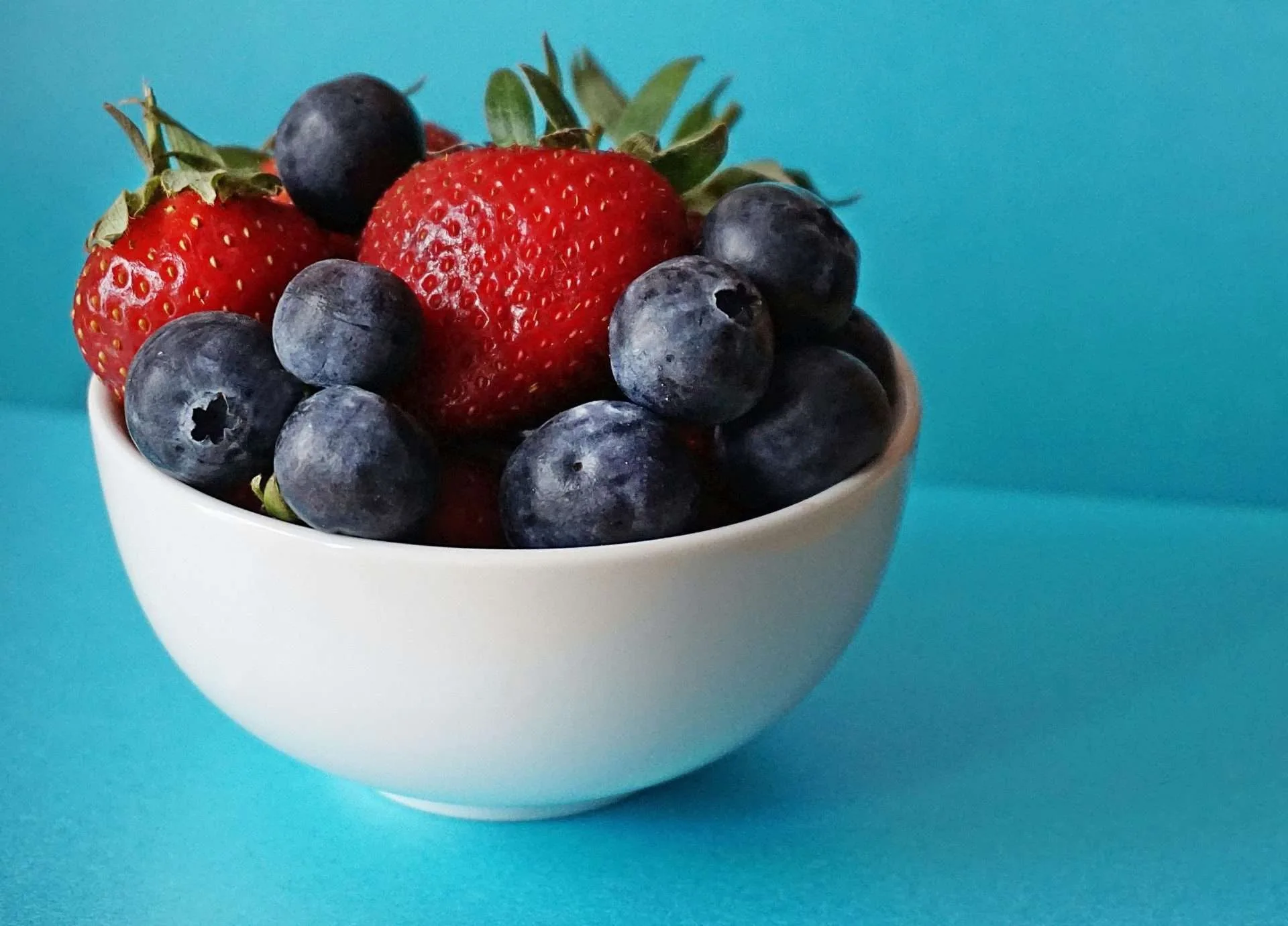
Berries, oranges, and avocados: Add vitamins, fiber, and healthy fats.
Hydration and Healthy Habits Matter
Healing isn’t just about food, it’s also about what (and how) you drink, move, and rest.
Hydrate constantly, especially if breastfeeding. Aim for 8–12 cups of water daily.
Healthy fats from nuts, seeds, and olive oil help absorb fat-soluble vitamins.
Balanced meals make a difference. Fill half your plate with veggies and fruit, a quarter with protein, and a quarter with whole grains.
Limit ultra-processed foods, added sugars, and empty-calorie snacks that leave you crashing.
Supplements may be necessary depending on your diet. Common ones include vitamin D, B12, DHA, iron, and postnatal multivitamins.
We’re Here to Support Your Postpartum Journey
Your recovery isn’t one-size-fits-all. Every mom is different, and at Motherhood Center, we’re here to help you feel seen, supported, and informed.Take the guesswork out of postpartum nutrition with our Breastfeeding Nutrition Class, available in-person and online. And if you’d like one-on-one guidance at home, our postpartum doulas offer not only physical support but can also help with meal planning, emotional wellness, and newborn care.Contact us today to learn more about our classes, doula support, and personalized postpartum care. Let’s make healing the priority it deserves to be.
FAQs
How long should I focus on postpartum nutrition?
Ideally for the first 6–12 months after delivery, especially if you’re breastfeeding. But your nutritional needs may remain elevated for longer depending on your recovery.
Can postpartum nutrition help with baby blues or mood swings?
Yes. Nutrients like DHA, vitamin D, and B vitamins can influence your mood. A well-balanced diet can support emotional regulation and reduce the risk of postpartum depression.
Are there specific foods that boost milk supply?
While hydration and frequent nursing are key, foods like oats, flaxseeds, and fenugreek are popular galactagogues. Our lactation consultants can offer personalized advice.
Should I still take my prenatal vitamin postpartum?
Yes, especially if breastfeeding. But consider a postnatal-specific vitamin that includes higher levels of key nutrients like choline, DHA, and vitamin D.
How can Motherhood Center help with my postpartum nutrition needs?
We offer a Breastfeeding Nutrition Class, consultations, and access to postpartum doulas who can guide your recovery holistically.
Welcome to Motherhood Center! We're glad you're here and want you to know that we respect your privacy and your right to control how we collect and use your personal data. Please read our Privacy Policy to learn about our privacy practices. Privacy Policy