Postpartum Body Changes: A Compassionate Guide to Self-Love After Pregnancy
October 28, 2024
Key Takeaways
Details
Understanding Body Changes
Your postpartum body experiences natural hormonal shifts and physical changes that typically last 6-12 months, including the crucial "fourth trimester" period of initial healing.
The Reality of Recovery
The pressure to "bounce back" quickly after pregnancy is unrealistic and potentially harmful, as your body needs adequate time to heal and adjust to its new normal.
Emotional Transformation
Becoming a mother changes not just your body but your entire identity, making it important to process these changes with patience and self-compassion.
Professional Support Available
Motherhood Center offers specialized services including postpartum doulas, massage therapy, gentle fitness classes, and breastfeeding support to help you through your recovery.
Building a Support Network
Regular Mom & Baby Check-ins, New Mom's Talk groups, and professional guidance create a supportive community for your postpartum journey.
Self-Care Strategies
Gentle movement, proper nutrition, and emotional support are essential components of postpartum recovery, with expert guidance available at every step.
Signs to Seek Help
Professional support is important if you experience persistent pain, severe mood changes, or have concerns about your physical or emotional recovery.
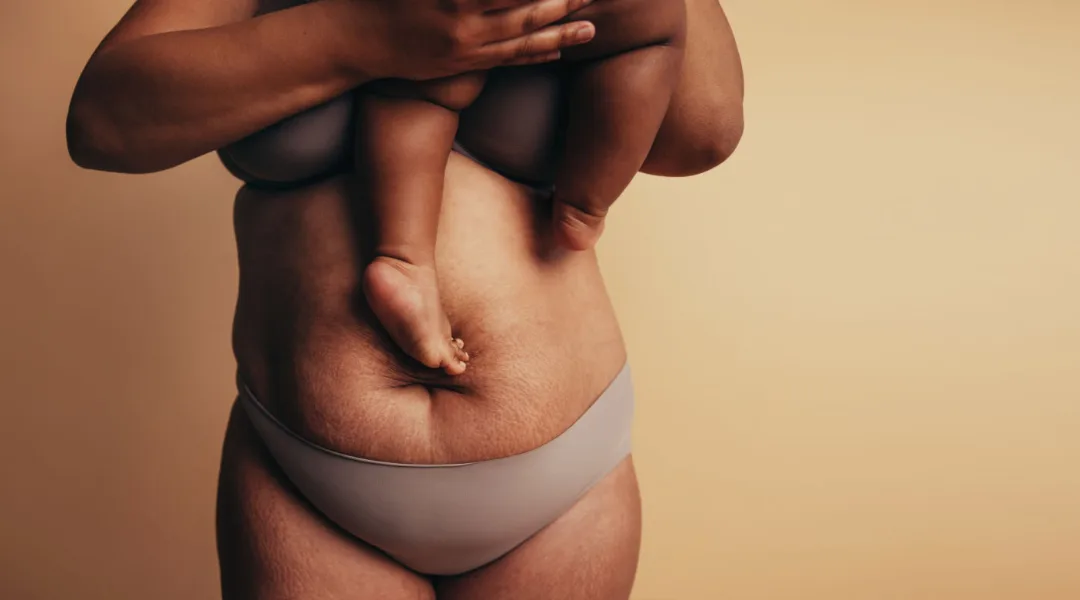
The pressure to "bounce back" after having a baby is real, but at Motherhood Center in Houston, we believe in a gentler, more realistic approach to the postpartum journey. Your postpartum body tells a powerful story of strength, transformation, and new life. Rather than rushing to reclaim their pre-pregnancy shape, we encourage mothers to embrace this period of change with patience and self-compassion.For over two decades, Motherhood Center has supported countless women through their postpartum experience with specialized services, including massage therapy, fitness classes, and educational resources. We understand that every mother's journey is unique, and there's no one-size-fits-all approach to postpartum recovery.
Understanding Your Changing Body
Your postpartum body undergoes remarkable changes as it heals from pregnancy and childbirth. These transformations are not just physical – they represent your body's incredible ability to nurture and sustain life. Let's explore what's really happening during this important time.
Hormonal Changes and Their Timeline
After giving birth, your body experiences significant hormonal shifts. Estrogen and progesterone levels drop dramatically, while prolactin (the breastfeeding hormone) increases. These changes can affect everything from your mood to your skin and hair texture. Most mothers find their hormones begin to stabilize around 6-8 weeks postpartum, though some changes may continue throughout the breastfeeding journey.
Physical Transformations Beyond Weight
Your postpartum body undergoes many changes that have nothing to do with the number on the scale. Your uterus needs time to shrink back to its pre-pregnancy size, a process called involution. Your hips and ribcage may remain slightly wider, and your feet might be a different size. These changes are normal and show how your body adapted to grow and birth your baby.
The Fourth Trimester Explained
The first three months after birth, known as the fourth trimester, are a critical healing period. During this time, your body is recovering from childbirth while adapting to new demands like breastfeeding and caring for your newborn. Sleep patterns change, and your body works hard to restore itself. Understanding this period helps set realistic expectations for recovery.
The Myth of "Bouncing Back"
The idea that new mothers should quickly return to their pre-pregnancy appearance is not just unrealistic – it can be harmful to physical and mental well-being. Let's examine why this concept deserves to be challenged.
Why Quick Recovery Expectations Are Harmful
Pushing your postpartum body too hard, too soon can interfere with healing and increase the risk of injury. Your body needs time to recover from the significant work of pregnancy and childbirth. The pressure to "bounce back" can also contribute to postpartum anxiety and depression, taking away from the joy of bonding with your baby.
Celebrity Culture and Social Media Pressure
Social media might show celebrities or influencers appearing perfectly styled weeks after giving birth, but these images rarely reflect reality. Many of these photos are carefully staged, edited, and often represent privileged access to resources most new mothers don't have. Your postpartum journey is unique to you and shouldn't be compared to carefully curated social media posts.
Embracing Your New Identity
Becoming a mother transforms not just your body, but your entire identity. This evolution deserves celebration and acknowledgment.
The Emotional Journey of Motherhood
Your relationship with your postpartum body is deeply connected to your emotional well-being. It's normal to feel a range of emotions about these changes. At Motherhood Center, our New Mom's Meet Up provides a safe space to share these feelings with other mothers who understand exactly what you're experiencing.
Finding Strength in Transformation
Your changed body represents strength, resilience, and the incredible journey of bringing new life into the world. Instead of focusing on "getting your body back," consider how you can honor your body's achievements and nurture its healing.
Motherhood Center’s Practical Steps for Self-Care
At Motherhood Center, we offer various services designed to support your postpartum journey with care and expertise.
Gentle Movement and Healing
Our specialized postpartum yoga and fitness classes are designed specifically for new mothers. These classes focus on safe, gentle movements that support healing and strengthen your changing body. Our experienced instructors understand the unique needs of the postpartum body and provide modifications for every stage of recovery.
Nurturing Your Body and Mind
Our massage services are tailored for postpartum mothers, helping to relieve tension, reduce swelling, and promote relaxation. We also offer breastfeeding resources and support through our certified lactation consultants, including breastfeeding nutrition classes to ensure you have expert guidance during your feeding journey.
Building Your Support System
Our comprehensive services at Motherhood Center create a nurturing environment where new mothers find the support they need. Our experienced postpartum doulas provide in-home support, helping you navigate the early weeks and months of motherhood. During our Mom & Baby Check-ins, you can address concerns about your postpartum body, feeding challenges, or emotional well-being with trained professionals. The New Mom's Meet Up meets regularly, creating a warm community where you can connect with other mothers experiencing similar challenges and celebrations. This combination of professional support and peer connection ensures you never have to navigate your postpartum journey alone.
Conclusion: Celebrating Your Postpartum Body
Your postpartum body deserves celebration, not criticism. At Motherhood Center, we understand the complexities of this transformative time and are here to support you with expert care and understanding. Remember, there's no timeline for recovery, and every mother's journey is different.Throughout our 20+ years of supporting Houston families, many new moms have found strength, confidence, and joy in their postpartum journey when given the right support. Whether you're struggling with physical recovery, seeking emotional support, or looking to connect with other new mothers, our comprehensive services are designed to meet you exactly where you are. From professional postpartum doula care to gentle fitness classes, massage therapy, and supportive community groups, we offer everything you need to embrace this postpartum time with confidence.Ready to embrace your postpartum journey with support and expertise? Contact Motherhood Center today. Let us help you celebrate and care for your amazing postpartum body while you focus on what matters most – bonding with your baby and discovering your new identity as a mother.
FAQs
How long does it take for the body to recover after giving birth?
Recovery typically takes 6-12 months, though every woman's timeline is different. Focus on gradual healing rather than rushing the process.
What can I do about postpartum hair loss and skin changes?
These changes are normal and usually temporary. Proper nutrition, gentle hair care, and patience are key.
When can I safely return to exercise?
Generally, light movement can begin after your healthcare provider's approval (usually 6-8 weeks postpartum). Our fitness classes are designed specifically for postpartum safety.
How can I deal with pressure from others to "get my body back"?
Set boundaries, remind yourself that your body has accomplished something amazing, and surround yourself with supportive people. Our New Mom's Meet Up can help you navigate these challenges.
What are some signs I should seek professional help?
If you experience persistent pain, severe mood changes, or concerns about healing, don't hesitate to seek help. At Motherhood Center, we can connect you with appropriate resources and support.
Welcome to Motherhood Center! We're glad you're here and want you to know that we respect your privacy and your right to control how we collect and use your personal data. Please read our Privacy Policy to learn about our privacy practices. Privacy Policy