Key Takeaways
Details
Historic Shift
In 2023, for the first time in U.S. history, more women aged 40–44 had babies than teenagers aged 15–19.
Reasons for Later Motherhood
Women are prioritizing career growth, financial stability, emotional readiness, and benefiting from advances in reproductive technology.
Positive Effects
Older parents often have more life experience, stronger support systems, and make more intentional parenting decisions.
Health Considerations
Pregnancy over 40 carries higher risks but can result in healthy outcomes with attentive medical care and support.
Broader Trends
Overall U.S. birth rates are declining, with fewer children being born compared to previous decades.
In a milestone moment for modern parenthood, more women over 40 are having babies than teenagers in the U.S. for the first time in recorded history. It’s a shift that reflects changing attitudes about family, career, and personal fulfillment—and it’s one that many experts see as a sign of progress.
A Historic Shift in Motherhood
According to the Centers for Disease Control and Prevention (CDC), the birth rate for teens aged 15–19 has reached a record low, falling to 13.1 births per 1,000 females in 2023. Meanwhile, the birth rate for women aged 40–44 has gradually increased, reaching about 12.5 births per 1,000 women.While these numbers may seem close, the bigger story is what they represent: a cultural evolution in how and when people are choosing to start families.
Why More Women Are Choosing Motherhood Later in Life
There are many reasons why women are waiting until their 30s and 40s to have children, and many of them reflect greater freedom and opportunity:
- More Career Opportunities: Women today are pursuing higher education, building careers, and starting businesses in greater numbers than ever before. For many, having children later allows them to focus on personal and professional growth first.
- Financial Security: Waiting to start a family can give women time to achieve financial stability, which can lead to more confidence and preparedness when it comes to parenting.
- Advances in Reproductive Health: Medical technology and fertility treatments have made it increasingly possible for women to conceive in their 40s—something that was far less common even a generation ago.
- Emotional Readiness: Many women report feeling more emotionally grounded and self-assured in their 40s, bringing a sense of calm, patience, and perspective to parenthood.
“Our clients in their 40s tend to have established careers and often rely on nannies or family assistance to support their growing family. These resources allow them to stay active in their careers while having quality child care support in their home.”— Gabriela Gerhart, Founder of Motherhood Center
A Positive Shift for Families and Society
This change in parenting demographics brings with it several benefits—not just for individual families, but for society as a whole:
- More Intentional Parenthood: Choosing to have children later often means more planning, preparation, and intention behind the decision to become a parent.
- Stronger Support Systems: Older parents may be more likely to have stable relationships, established communities, and access to resources that support healthy child development.
- Greater Life Experience: Older parents often bring a broader perspective, wisdom, and life experience to raising children—qualities that can help foster strong family bonds.
“We see that our clients are very physically active and live healthy lifestyles. They are generally prepared for motherhood, but we also see clients in their forties appreciating a good night’s sleep that much more. They often reach out to us for help from our newborn care specialists and postpartum doulas to get better rest, since sleep deprivation definitely accompanies new parents.”— Gabriela Gerhart
The Other Side of the Story: Declining Birth Rates
While the rise in births among women over 40 is notable, it’s happening against the backdrop of an overall decline in U.S. birth rates. According to a recent National Vital Statistics Report, the number of babies born in the U.S. dropped by 14% between 1990 and 2023.The average number of children per family has also declined: In both 2021 and 2022, U.S. parents had an average of 1.66 children. In 2023, that number dropped to 1.62—well below the replacement rate.
What About the Risks?
It’s important to acknowledge that pregnancy over 40 can carry increased health risks, such as higher chances of gestational diabetes, high blood pressure, and certain complications. However, with attentive medical care and the right support, many women over 40 go on to have healthy pregnancies and thriving families.This makes access to reliable information, quality healthcare, and community support more important than ever.“Pregnancy over 35 was categorized as ‘geriatric pregnancy,’ also known as advanced maternal age. We assume this terminology will most likely be adjusted to reflect today’s modern motherhood.”— Gabriela Gerhart [caption id="attachment_21672" align="aligncenter" width="987"]
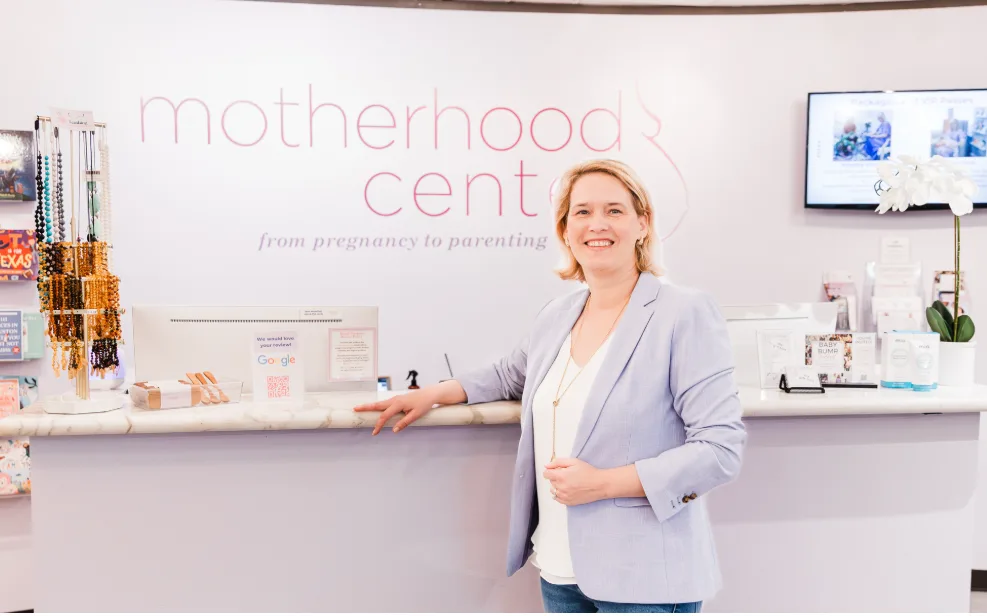
Gabriela Gerhart, Founder of Motherhood Center[/caption]
A New Era of Motherhood
The fact that women over 40 are now having more babies than teenagers is more than a statistical shift—it’s a cultural one. It shows that motherhood is no longer tied to a narrow timeline and that women are embracing the freedom to define family life on their own terms."This trend in delayed childbearing represents our changing world and increased choices. Women are making deliberate decisions about their fertility timelines, an empowering shift to recognize."— Gabriela Gerhart