Healing After Pregnancy Loss: An Interview with Houston’s Missing Pieces Support Group
August 6, 2025
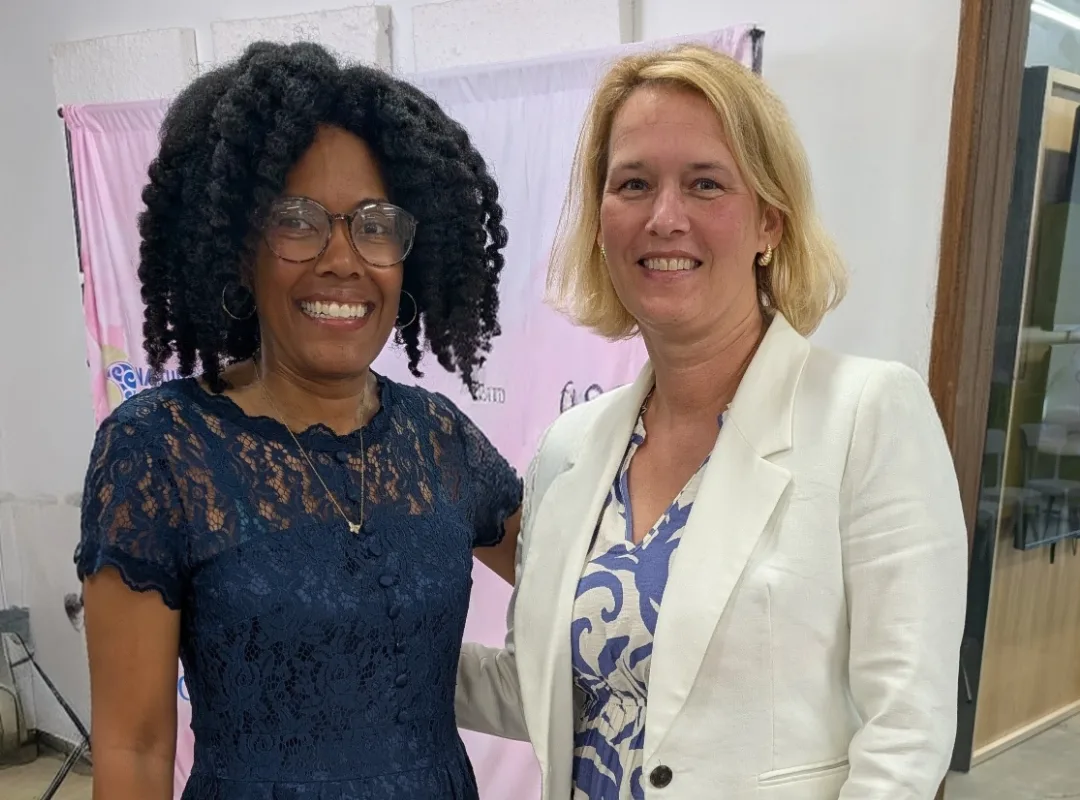
Pregnancy loss is a deeply personal experience that affects thousands of women and families each year—yet it’s often met with silence or misunderstanding. At Motherhood Center, we believe it’s essential to shine a light on every part of the motherhood journey, including the moments of grief, healing, and quiet strength.That’s why we were honored to share this interview with the founder of Missing Pieces Support Group, a Houston-based nonprofit offering compassionate care, community, and resources to women and families navigating life after miscarriage, stillbirth, and pregnancy loss. Born out of lived experience and grounded in empathy, Missing Pieces provides a safe place to share, connect, and heal.In this heartfelt interview, Missing Pieces’ founder opens up about her personal journey, the inspiration behind the organization, and the powerful work they’re doing to support others in their most vulnerable moments.
1. What inspired you to found Missing Pieces, and was there a personal moment or experience that sparked this mission?
Pregnancy loss is a deeply life-altering experience—one I’ve faced twice. The first was both physically and emotionally traumatic, and like many women, I didn’t fully understand miscarriage or stillbirth until it happened to me. The second loss left me feeling isolated, ashamed, and broken. It wasn’t until I joined a support group that I began to heal. In that space, I found understanding, connection, and lasting friendship.The turning point came during a powerful moment with God, where I felt Him ask, “Yes, this happened. Now what are you going to do about it?” That question ignited the mission. Alongside Emily and Crystal, whom I met in the support group, and Jescekia, a friend from church and fellow loss mom, we founded Missing Pieces to create a safe, supportive space for others navigating this pain.
2. What are some of the most common challenges women face after miscarriage that people might not realize, and how does Missing Pieces address these specific needs?
Many women feel isolated after pregnancy loss, believing no one will understand—or worse, blaming themselves and feeling their bodies are somehow broken. These emotions are often intensified by the lingering stigma around pregnancy loss. In some cultures, there's even a belief that the woman is at fault. All of this contributes to what’s known as marginalized grief—a type of grief that isn’t openly acknowledged or supported because it exposes painful gaps in both healthcare systems and family dynamics.
3. Can you walk us through the types of support and resources Missing Pieces offers to women during their healing journey?
While pregnancy loss is common, the way each person processes grief is deeply personal. That’s why we offer a wide range of resources on our website—allowing individuals to choose the support that feels right for them. Our resource directory includes everything from podcasts, recommended books, curated song playlists, and testimonial videos where women can see themselves in shared stories, to more interactive options like therapist referrals and group support, including our own support group.This year, we’ve expanded our offerings to be even more inclusive. We launched a men’s support group to address the often-overlooked grief partners face. We also introduced Pregnancy After Loss peer groups for those navigating pregnancy following loss, and Healing After Loss—a flexible, community-driven space for those who want connection without the structure of a formal support group.
4. What has surprised you most about the response from the community since launching the organization?
What’s surprised me most is how immediate and heartfelt the response has been. When people hear about our work, the reaction is often, “This is so needed.” Women especially tend to open up—if they’ve experienced this type of loss or supported someone who has, it’s as if they’ve been holding onto a quiet secret, just waiting for a safe space to share.I’m especially proud that we’re not only a resource for those directly impacted, but also for the loved ones who want to support them. Through our care packages, we give people a tangible way to express love when words fall short. The fact that so many people resonate with our mission and choose to stand beside us in supporting the pregnancy loss community means more than we can say. We’re truly grateful.
5. Many women struggle with feelings of isolation after pregnancy loss. How does Missing Pieces help create connection and community during such a difficult time?
Missing Pieces fosters connection and community by creating spaces where individuals can sit with others who truly understand their grief. Our support and peer groups offer opportunities to connect with people experiencing similar emotions, helping participants feel less alone. These groups provide a safe, judgment-free environment where identities are reshaped through shared stories and honest conversation.The common ground found in these experiences often leads to meaningful, lasting bonds—relationships that extend well beyond the group sessions. Additionally, our pregnancy loss awareness events create further opportunities to connect, network, and feel seen. They offer a sense of belonging and a reminder that you’re not walking this path alone.
6. What advice would you give to friends, family members, or partners who want to support a loved one after a miscarriage but aren't sure what to say or do?
Even well-meaning words can sometimes be triggering and have the opposite effect of what’s intended. That’s why we encourage supporters to lead with action instead. One of the most powerful things you can do is simply show up—be a quiet, supportive presence and hold space for your loved one to share when they’re ready.Another meaningful gesture is sending one of our care packages. Each one includes a thoughtful mix of grief-support items and an introduction to our resources and services. We’ll ship it directly to your loved one on your behalf, with a note letting them know it’s from you. There’s no cost to send a package—we fundraise year-round to ensure this support is always accessible.
7. Looking ahead, what are your hopes for Missing Pieces and how you'd like to see conversations around pregnancy loss evolve in our society?
I look forward to the day when conversations about pregnancy loss are fully normalized—so much so that they can happen openly at the dinner table. If my rainbow baby daughter ever experiences a miscarriage, I want her to feel no shame in telling me. I want us to be able to grieve together, without silence or stigma.My hope for Missing Pieces is that it becomes a model for compassionate, responsive support—meeting people in their place of brokenness, whatever that may look like. More than just holding space, we aim to equip them with the tools to grieve, heal, and eventually give back to the community they’ve become a part of.
A Space for Healing, A Community of Support
At Motherhood Center, we’re honored to uplift organizations like Missing Pieces that are making a powerful difference in the lives of women and families. Their work is a reminder that healing is possible, especially when we’re surrounded by people who understand.Whether you’re navigating pregnancy loss yourself or supporting someone who is, we encourage you to explore the many free resources Missing Pieces offers—and to know that you are never alone.Visit MissingPiecesSupport.org to learn more.
Welcome to Motherhood Center! We're glad you're here and want you to know that we respect your privacy and your right to control how we collect and use your personal data. Please read our Privacy Policy to learn about our privacy practices. Privacy Policy