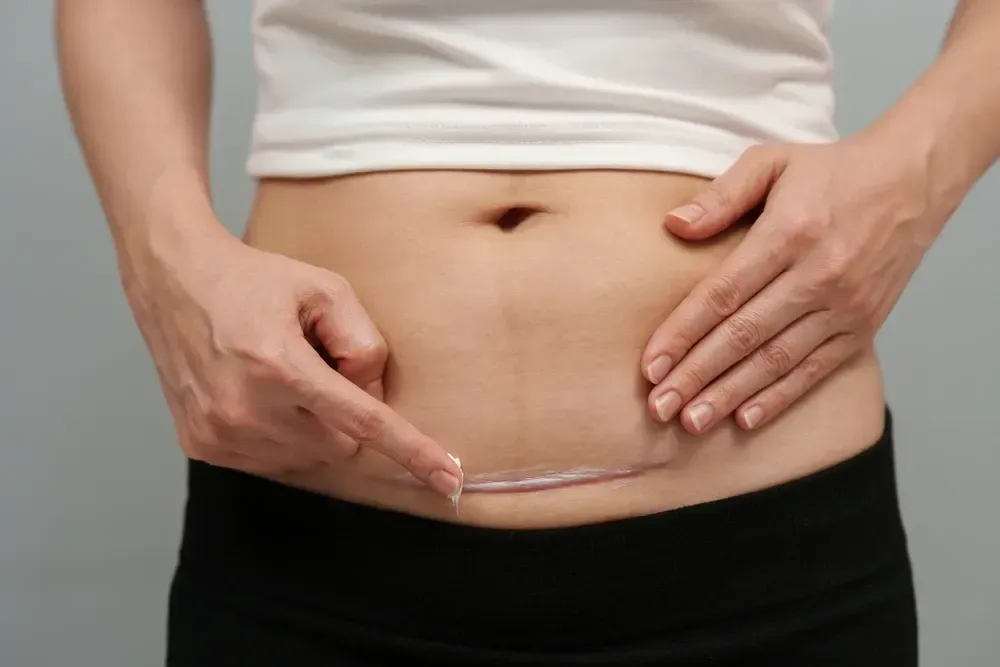
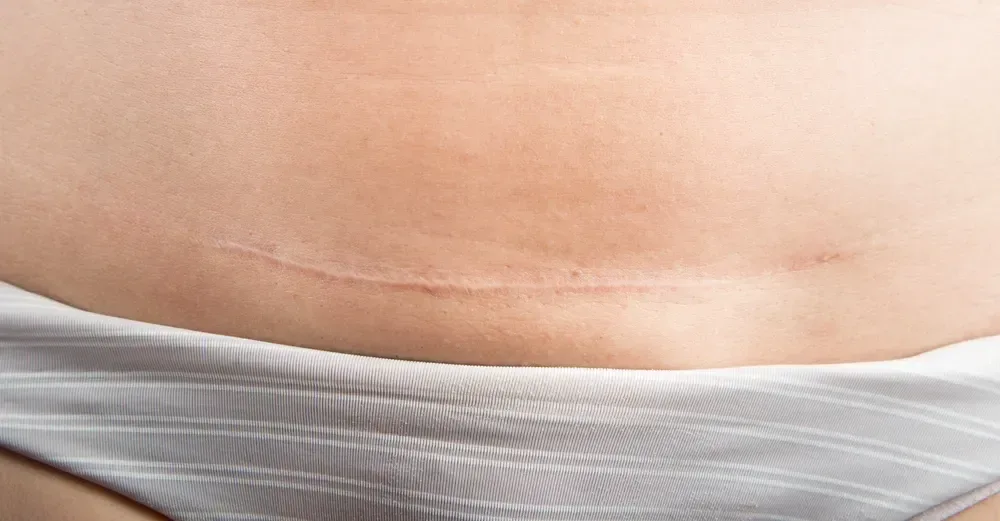
Initial healing takes 6–8 weeks; full recovery may take several months.
Scar Appearance
Scars are typically flat, horizontal, and fade over time.
Scar Massage
Helps improve mobility, reduce tightness, and break up adhesions.
When to Start Massage
Begin around 6 weeks postpartum—only after your provider gives the go-ahead.
Massage Technique
Use gentle pressure with up/down and side-to-side motions; focus on sticking points.
What’s Normal vs. Concern
Some numbness or itching is normal. Redness, warmth, or discharge needs medical attention.
Support from Motherhood Center
Our C Section 101 class prepares you with recovery tips, procedure details, and more.
Recovering from a C-section is a unique journey. Whether your cesarean birth was planned or unexpected, your body needs time, care, and support to heal—especially the area around your surgical incision. The healing process can take several months, and knowing what to expect and how to care for your C-section scar can make a big difference in your overall recoveryAt Motherhood Center in Houston, we understand that healing isn’t just physical—it’s emotional and mental too. That’s why we’ve put together this comprehensive guide to help you navigate each stage of healing with confidence and care. We’ll walk you through a typical C-section scar healing timeline, offer practical tips for recovery, and introduce you to services that can support your postpartum journey every step of the way.
C-Section Scar Healing Timeline
Every mom’s healing process is different, but most C-section scars go through four general stages of healing. Understanding each stage can help you recognize what’s normal, when to seek medical advice, and how to care for your body.
0–2 Weeks: Inflammatory Phase
What’s Happening: Your body’s natural healing response kicks in immediately after surgery. This stage involves inflammation, where blood cells rush to the wound to prevent infection and start tissue repair.
What You’ll Notice: Redness, swelling, tenderness, and sometimes bruising around the incision site. The scar may look raw or slightly raised.
Care Tips: Keep the area clean and dry. Avoid any heavy lifting. Take medications as prescribed by your doctor.
2–6 Weeks: Proliferative Phase
What’s Happening: New tissue begins forming to close the wound. As collagen builds up in the area, the scar may look pink, firm, or bumpy.
What You’ll Notice: Decreased swelling, but the scar may feel itchy or tight as nerves begin to heal.
Care Tips: You may be cleared for light movement or gentle stretching. Continue avoiding core exercises or anything that puts pressure on the abdomen.
6 Weeks–6 Months: Maturation Phase
What’s Happening: The scar continues to heal from the inside out. Collagen remodeling begins, which strengthens the scar tissue and helps it flatten and fade.
What You’ll Notice: The scar becomes less noticeable. Depending on your skin tone, it may start changing color from pink to white or brown.
Care Tips: You may be able to start gentle scar massage with your provider’s approval. It’s safe to begin more physical activity as long as your doctor clears you.
6 Months–1 Year: Remodeling Phase
What’s Happening: Final adjustments to the scar tissue take place. The appearance of the scar stabilizes and softens.
What You’ll Notice: The scar may become less sensitive. In some cases, it may feel numb or tingly due to nerve damage during surgery.
Care Tips: Continue moisturizing and massaging the area. If the scar is thick or raised, ask your doctor about silicone sheets, steroid creams, or laser therapy.
Tips for Caring for Your C-Section Scar
Healing from a cesarean isn’t just about waiting—it’s about taking an active role in your recovery. Here are some expert-backed tips to help care for your C-section scar and improve the healing process.
1. Keep It Clean and Dry
In the early days, hygiene is key. Gently wash the area with warm water and mild, unscented soap. Avoid soaking the incision in bathtubs or pools until it’s fully closed. Always pat the area dry with a clean towel or allow it to air dry.
2. Dress for Comfort
Tight waistbands, jeans, or synthetic fabrics can irritate your scar and trap sweat or bacteria. Choose high-waisted cotton underwear and loose, breathable clothing to help reduce friction and allow your skin to breathe.
3. Avoid Heavy Lifting or Straining
Even if you’re feeling better by week two or three, it’s important not to rush recovery. Avoid lifting anything heavier than your baby, and take breaks throughout the day. Allow others to help whenever possible.
4. Look for Signs of Infection
Call your provider if you notice any of the following:
Increased redness, swelling, or pain
Discharge or pus from the incision site
Fever or chills
An unpleasant odor from the scar
Infections can delay healing and lead to more serious complications if untreated.
5. Use Scar Massage (When Cleared)
Step
What to Do
1. Desensitize the area
Use a cotton ball or Q-tip to gently touch the skin above and below the scar.
2. Start around the scar
Lie on your back. Using two fingers, gently move up and down, then side to side above and below the scar.
3. Move to the scar line
Place your fingertips directly on the scar (once fully healed). Press gently along the line to find any tight or “stuck” spots.
4. Apply circular pressure
On tight spots, use two fingers to press in small circles, applying a little more pressure.
5. Pinch and lift
Gently pinch the scar and roll it between your fingers to lift it away from the muscle.
Once your provider says it's safe (usually after 6 weeks), you can gently massage your scar. Massaging your scar helps:
Improve blood flow
Reduce scar tissue buildup
Break up adhesions
Restore mobility in the abdominal area
Consider using a natural oil like vitamin E, coconut oil, or a scar-reducing cream, but always test on a small area first.
Fiber and fluids to prevent constipation (common after surgery)
Common C-Section Scar Concerns
Even with the best care, C-section scars may come with concerns. Here are a few things new moms often ask about:
Is it normal for my scar to feel numb?
Yes. It’s common for the area around your scar to feel numb or tingly. That sensation may persist for several months due to nerve disruption during surgery.
What if my scar becomes thick or raised?
You may have a hypertrophic scar or a keloid. While they’re not dangerous, they can be itchy or bothersome. Speak with a dermatologist or OB-GYN about treatments like silicone sheets, steroid injections, or laser therapy.
Will my C-section scar fade completely?
For most people, the scar fades significantly but may not disappear entirely. Over-the-counter creams and consistent massage can improve its appearance over time.
Support from the Motherhood Center in Houston
At Motherhood Center, we understand that every birth story is unique—especially when it involves a C-section. That’s why we offer our Private VIP C-Section 101 class every six weeks.This class is thoughtfully designed for expectant parents preparing for a planned or possible cesarean birth. It covers:
The C-section procedure in detail – So you know exactly what to expect, from incision to closure.
Anesthesia options and effects – Learn the difference between spinal, epidural, and general anesthesia and how each may impact your experience.
Recovery process and tips – Get expert guidance on healing, movement, pain management, and what to do (and not do) in the first few weeks.
Strategies for a family-centered birth – Discover ways to make your C-section feel intimate and empowering, with room for bonding and skin-to-skin time.
Relaxation techniques – Practice calming techniques to help you manage stress and stay grounded before and during the procedure.
Beyond this class, we also offer a wide range of pregnancy and postpartum services to help you feel supported from bump to baby and beyond. From postnatal massage and postpartum doula services to our Mom and Baby Yoga and fitness classes, we’re here to walk with you through every stage.Healing from a C-section scar is both a physical and emotional process. You don’t have to go through it alone. Let our compassionate, knowledgeable team support your journey.
Conclusion: Let Motherhood Center Support Your Recovery
Caring for a C-section scar is more than just managing stitches, it’s about nurturing your body, honoring your experience, and surrounding yourself with the right support.Healing takes time, but with the proper care, nutrition, and resources, you’ll regain your strength and confidence. Whether you're still recovering or preparing for a planned C-section, Motherhood Center in Houston is here to guide you every step of the way.Ready to feel supported in your postpartum journey? Contact us today to learn more about our C-Section 101 class, postnatal massage, or any of our comprehensive postpartum services.
FAQs
When can I start massaging my C-section scar?
You can typically begin gentle scar massage around 6 weeks after birth, but only after your healthcare provider has confirmed that your incision is fully healed and closed.
What does a normal C-section scar look like?
A healed C-section scar usually appears as a thin, horizontal line just above the pubic bone. It may be red or pink at first but often fades over time. Some people develop raised or thickened scars, which are also common.
Does massaging my C-section scar really help?
Yes. Scar massage can reduce tightness, improve mobility, and minimize adhesions. It helps the tissue heal more smoothly and may also decrease long-term discomfort or numbness in the area.
What if my scar feels numb or itchy?
Some numbness and itching are normal during the healing process. This often improves with time, and gentle scar massage can help stimulate nerves and improve sensation.
Can I use creams or oils on my C-section scar?
Once your incision is fully closed, you can apply unscented moisturizers or scar-reducing creams. Products like vitamin E oil or silicone gel may help soften the tissue and reduce discoloration. Always patch test first and consult your provider if you have sensitive skin.
Welcome to Motherhood Center! We're glad you're here and want you to know that we respect your privacy and your right to control how we collect and use your personal data. Please read our Privacy Policy to learn about our privacy practices. Privacy Policy