Gentle Parenting Tips: Transform Your Toddler's Tantrums into Teaching Moments
November 6, 2024
Key Takeaways
Details
Brain Development
Understanding how your toddler's brain works helps you respond better to their needs
Safe Environment
Setting up spaces that allow safe exploration builds confidence and independence
Communication
Simple language and getting on their level makes toddlers feel heard and understood
Managing Challenges
Responding calmly to tantrums and transitions helps both parent and child grow
Ever wonder why your toddler melts down over a green cup when they asked for the green cup? You're not alone! At Motherhood Center in Houston, we've spent over two decades helping new parents navigate the wonderfully challenging toddler years. Through our comprehensive Parenting 101 and 102 classes, families build stronger connections with their little ones using gentle parenting techniques.Think of gentle parenting as being a tour guide for your child's emotional journey. Instead of harsh discipline or permissive parenting, this approach helps you understand your toddler's needs while teaching them important life skills. It's about growing together – and yes, sometimes that means taking a deep breath when your little one has their third meltdown of the morning!
Understanding Your Toddler's Developing Brain
Your toddler's brain is like a city under construction - exciting things are happening, but there's bound to be some chaos! Understanding how their brain develops helps you stay patient and supportive during challenging moments. Let's explore what's going on in that busy little mind.
The Science Behind Toddler Behavior
Did you know your toddler's emotional brain develops before their logical brain? This explains why they might have big feelings about small things. When your little one cries over a broken cookie, they're not trying to be difficult - they're experiencing emotions with an intensity that their developing brain hasn't yet learned to manage. This knowledge is key to applying gentle parenting tips effectively.
Why Traditional Discipline Methods May Backfire
Time-outs and harsh punishments often don't work because they don't teach your toddler what to do differently. Instead, these approaches might make them feel scared or ashamed. In our parenting classes at Motherhood Center, we explore more effective alternatives that support your child's emotional growth while maintaining clear boundaries.
Setting Realistic Expectations for Your Child's Age
Remember: your two-year-old isn't giving you a hard time - they're having a hard time. Expecting a toddler to always share, stay calm, or listen perfectly isn't realistic. Our parenting classes help you understand what to expect at each age, taking the guesswork out of gentle parenting.
Creating a Safe Environment for Independence
Want to raise a confident, capable child? It starts with their environment. Creating safe spaces for exploration lets your toddler develop independence while giving you peace of mind.
Setting Up Your Home for Exploration
Make your home a "yes" space where your toddler can safely explore. Put fragile items out of reach and childproof dangerous areas. Set up low shelves with their toys and books so they can choose activities independently. This simple change can dramatically reduce power struggles and promote confidence.
Establishing Predictable Routines
Toddlers thrive on knowing what comes next. Create simple routines for mornings, mealtimes, and bedtime. Use pictures or songs to make routines fun - maybe a clean-up song or a bedtime rhyme. When children know what to expect, they feel more secure and cooperative.
Offering Age-Appropriate Choices
"Would you like the red shirt or the blue shirt?" Giving simple choices helps toddlers feel in control while developing decision-making skills. Keep options limited to prevent overwhelm - too many choices can lead to meltdowns.
Communication Techniques That Build Connection
The way we talk to our children becomes their inner voice. Let's make sure it's a kind and supportive one!
Using Simple Language and Validation
When your toddler is upset, acknowledge their feelings: "You're sad because your tower fell. That's frustrating!" Simple words help them understand their emotions and feel heard.
The Power of Getting Down to Their Level
Physically getting down to your child's eye level shows them they matter. It's amazing how this small gesture can improve cooperation and connection. Try it during both happy moments and challenging times.
Responding vs. Reacting to Big Emotions
Take a deep breath before responding to difficult behavior. Instead of "Stop crying!" try "I see you're having big feelings. I'm here to help." This approach teaches emotional regulation by example.
Navigating Common Challenges with Compassion
Even the most patient parents face challenging moments. Here's how to handle them with grace.
Handling Tantrums and Meltdowns
Stay calm (easier said than done, we know!). Remember that tantrums are normal and temporary. Create a safe space for your toddler to express their feelings while staying nearby. After the storm passes, offer comfort and connection.
Managing Sibling Dynamics
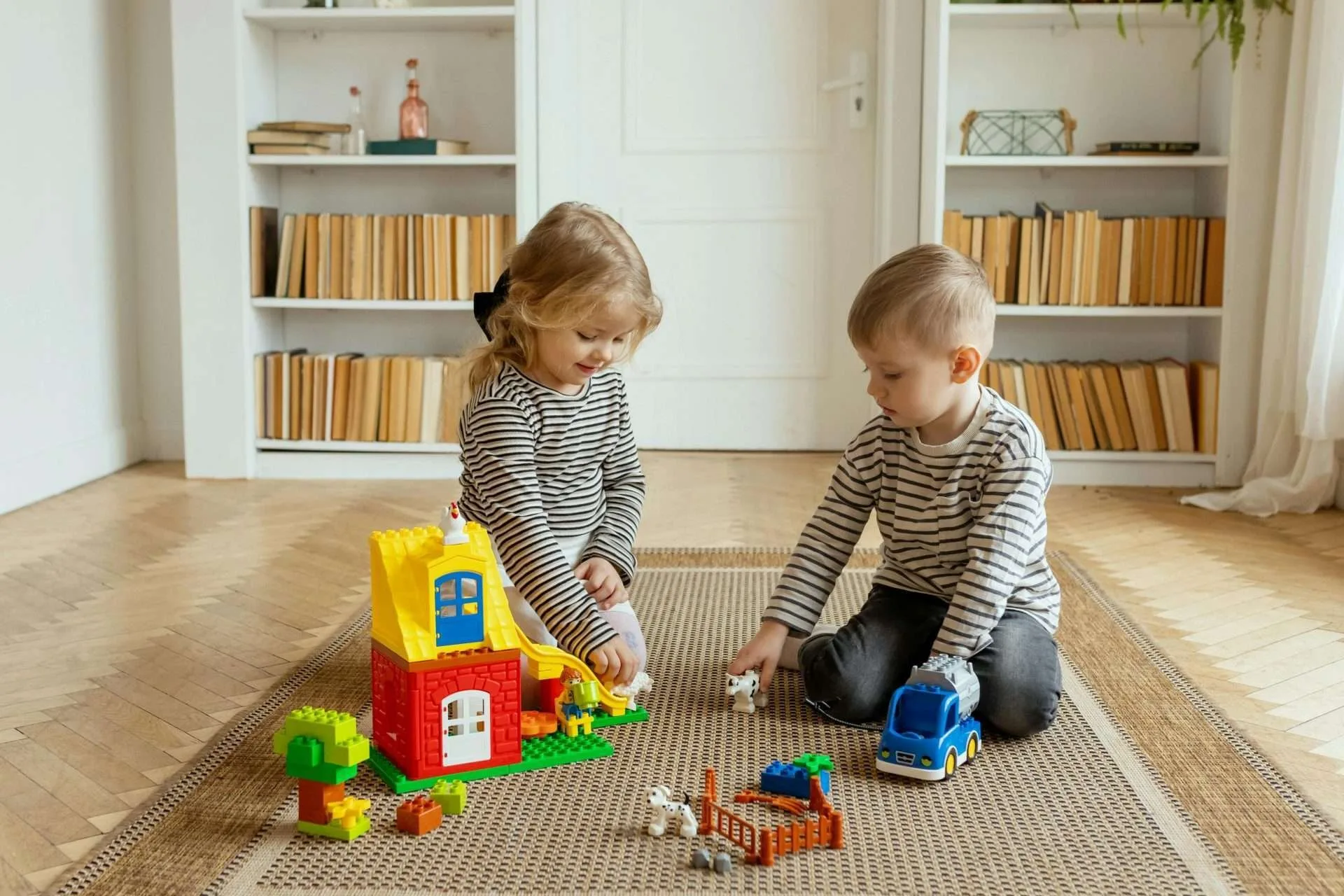
Teach taking turns instead of forced sharing. Use a timer for popular toys, and praise moments of kindness between siblings. Remember that learning to get along takes time and practice.
Supporting Your Toddler Through Transitions
Give warnings before activity changes: "Five more minutes until clean-up time!" Use songs or games to make transitions fun. Sometimes, a special comfort item can help smooth difficult transitions.
Conclusion
Gentle parenting isn't about being perfect - it's about being present and intentional when responding to your child. These techniques take practice, but the reward is a stronger parent-child bond and a more emotionally intelligent child. Remember, you're not alone on this journey. At Motherhood Center, we've been supporting Houston families for over two decades through our parenting classes and practical gentle parenting guidance.Ready to learn more? Our Parenting 101 and 102 classes offer hands-on guidance for every stage of your toddler's development. From managing challenging behaviors to building emotional intelligence, we'll show you exactly how to put these principles into practice. Join our parenting workshops or schedule a one-on-one consultation with our experienced team. Contact us or visit our center in Houston to discover how we can support your gentle parenting journey.
FAQs
What do I do when gentle parenting isn't working?
Take a step back and ensure your expectations are age-appropriate. Remember that change takes time, and consistency is key. Consider joining our support groups for additional strategies and encouragement.
How can I practice gentle parenting when I'm exhausted?
It's okay to take breaks! Use "pause moments" when you're overwhelmed, ensure you're getting support, and remember that self-care isn't selfish. Consider our massage spa services designed to help parents recharge.
Will gentle parenting make my child spoiled?
No, gentle parenting can help children develop self-discipline and emotional intelligence. Setting loving boundaries while showing empathy creates responsible, caring individuals.
How do I handle judgment from family members who disagree with this approach?
Share the positive changes you've seen in your child. Explain that gentle parenting is about teaching, not permissiveness.
What's the difference between gentle parenting and permissive parenting?
Gentle parenting includes clear boundaries and expectations, while permissive parenting lacks structure. We teach loving limits that help children feel secure while learning important life skills.
Welcome to Motherhood Center! We're glad you're here and want you to know that we respect your privacy and your right to control how we collect and use your personal data. Please read our Privacy Policy to learn about our privacy practices. Privacy Policy