Baby-Led Weaning: The New Parent's Guide to Happy Eaters
July 16, 2025
Key Takeaway
Details
Promotes Independence
Babies choose and handle food, building confidence and self-feeding skills.
Encourages Self-Regulation
Babies eat at their own pace, learning to listen to their body's hunger and fullness signals.
Supports Development
Handling different food shapes and textures helps babies build fine motor skills and oral motor skills for chewing.
Variety of Foods
Early exposure to many tastes and textures can help babies become less picky eaters later on.
Family Mealtime
Babies join in family meals with modified versions of your food, making mealtimes social and fun for everyone.
Practical Benefits
It can save time and money since you won't need to make separate purees or buy special baby food.
Safety First
When done correctly with appropriate foods and supervision, baby-led weaning does not increase choking risk. Gagging is a normal part of learning.
As new parents, you're likely thinking about the exciting step of introducing solid foods to your little one. While spoon-feeding purees has been the traditional path for generations, a different method is gaining traction: baby-led weaning. This approach lets babies take the lead in their eating journey, exploring whole, soft foods with their own hands from the very beginning. Here at Motherhood Center, we understand you want the best for your baby, and we're here to guide you through this natural and empowering way to approach infant nutrition.
What is Baby-Led Weaning?
Baby-led weaning is simply giving your baby soft, graspable pieces of food and letting them feed themselves. Instead of you spooning purees into their mouth, your baby picks up food, explores it, and eats at their own pace. This method taps into a baby's natural curiosity and desire to interact with their world, including their food. It's about letting your baby guide the process, fostering a positive relationship with food.
Why Choose Baby-Led Weaning? The Benefits for Your Baby (and You!)
Many Houston parents are drawn to baby-led weaning because of the many good things it offers. It's more than just a way to eat; it's a way to grow and learn.
Growing Independence: Imagine your little one confidently picking up a soft piece of avocado and bringing it to their mouth. This simple act builds their confidence and helps them feel capable at the table. They learn to choose what they want to eat and how much.
Listening to Their Body: One of the big advantages of this method is that babies learn to listen to their own hunger and fullness cues. When they control what goes into their mouth, they're less likely to overeat. This can help set them up for healthy eating habits in the long run.
Building Strong Skills: Those tiny hands work hard! When your baby reaches for and holds different foods, they are practicing their fine motor skills, like the pincer grasp, which is great for picking up small items. Chewing and moving food around their mouth also helps develop oral motor skills, which are important for speech and eating.
Exploring Tastes and Textures: From soft banana to cooked carrot sticks, baby-led weaning introduces a range of tastes and textures. This early exposure can make babies more open to trying new foods and may help prevent picky eating down the road.
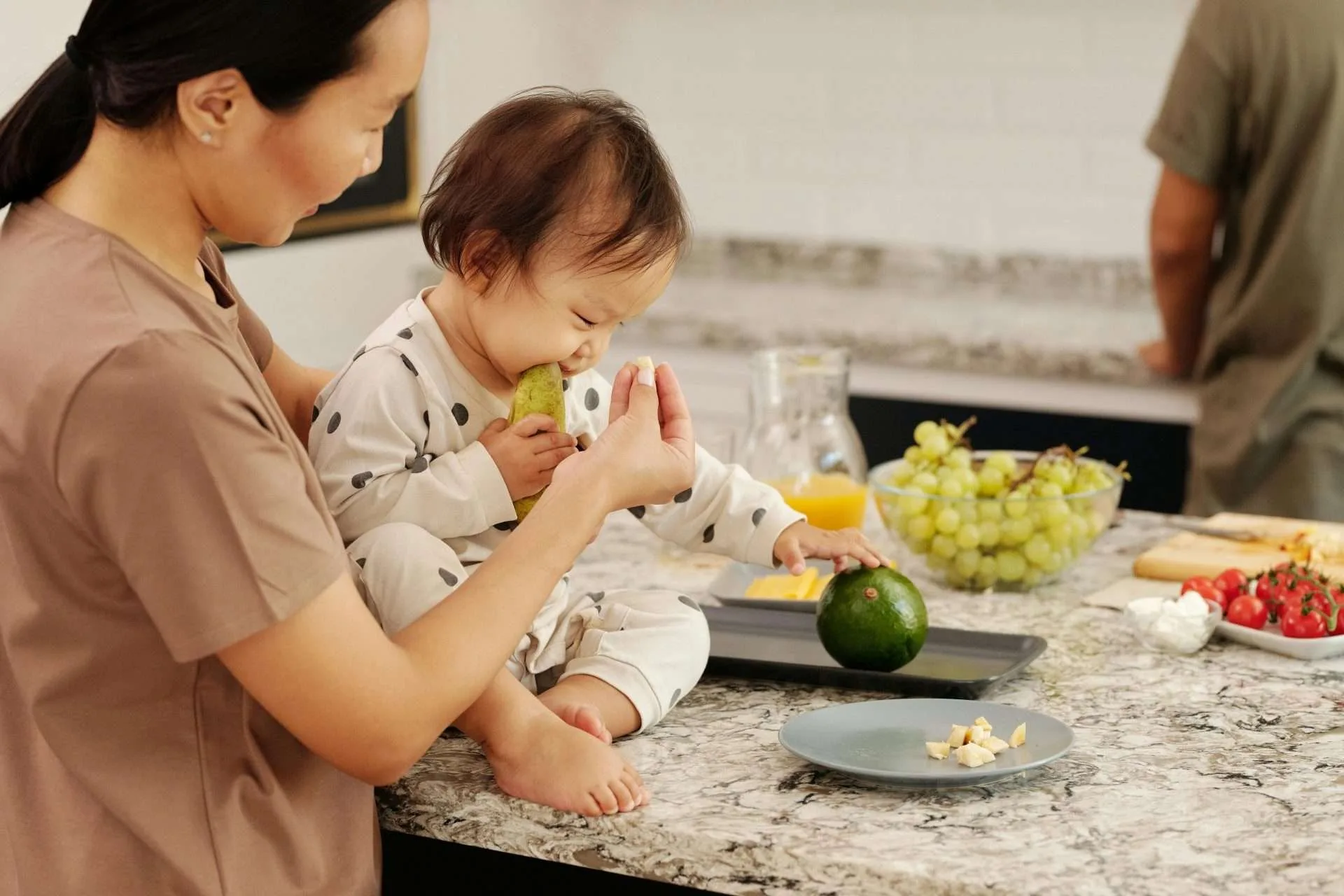
Joining Family Meals: Mealtime becomes true family time. Your baby can eat modified versions of what you're having, making them a part of the group. This social interaction is fun and helps them learn by watching you eat.
Making Life Easier: Believe it or not, baby-led weaning can simplify your life. There's no need to spend hours blending purees or buying special baby food jars. You can often share what you're eating, with a few tweaks. This can save you time and money.
Less Parent Stress: Some parents find that this approach takes some pressure off. You're not trying to force food into your baby or worry about how much they eat at each meal. It's about letting them explore and enjoy.
Getting Started with Baby-Led Weaning: Simple Steps
Ready to give baby-led weaning a try? Here's what you need to know to begin this journey safely and with confidence:
Look for Readiness Signs: Most babies are ready around 6 months old. They should be able to sit up on their own, have good control of their head and neck, and have lost the tongue-thrust reflex (where they push food out with their tongue).
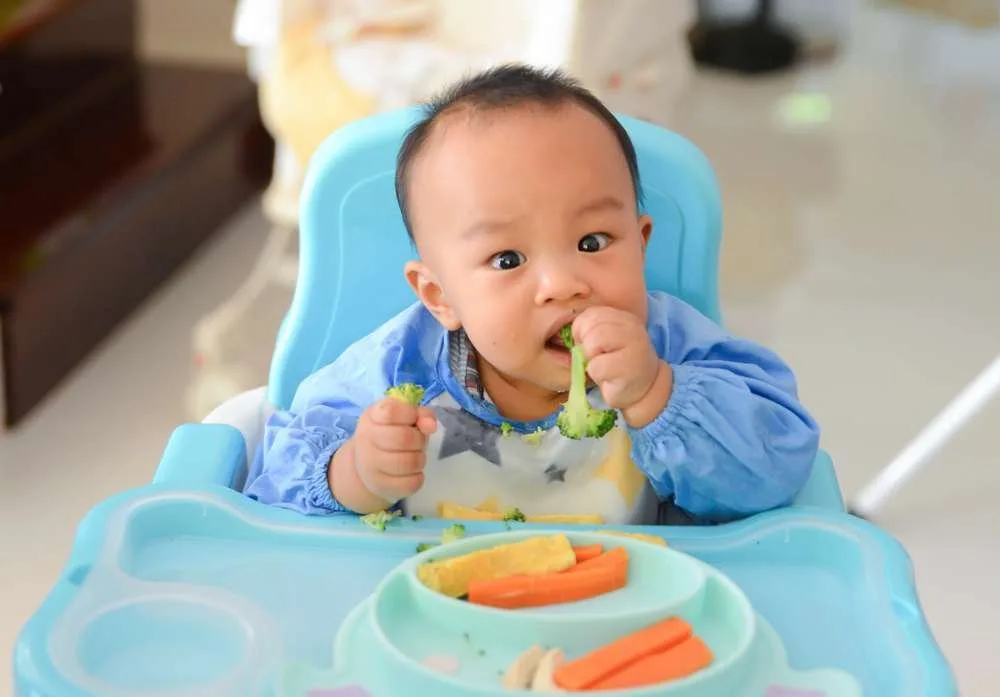
Offer Safe Foods: Think soft, easy-to-grab foods. Good options include cooked sweet potato spears, ripe avocado slices, soft cooked broccoli florets, or strips of well-cooked chicken. Avoid anything small, hard, or round that could be a choking hazard, like whole grapes, nuts, or large chunks of raw apple. The American Academy of Pediatrics provides excellent guidelines on starting solids safely.
Let Them Feed Themselves: Place a few pieces of food directly on their high chair tray or a clean plate. Let your baby pick up the food and bring it to their mouth. If you're offering something like yogurt or oatmeal, you can pre-load a spoon and hand it to them to bring to their mouth.
Eat Together: Make mealtimes a family event. Sitting together allows your baby to watch and learn from you. It also makes eating a fun and social experience.
Milk First: Remember, until about 12 months, breast milk or formula is still your baby's main source of nutrition. Solid foods are for exploring tastes and textures, and gradually getting more nutrients.
Always Watch Your Baby: Supervision during meals is a must to help prevent choking. Gagging is common as babies learn to move food around their mouths, but it's different from choking. Stay calm and monitor as they work through it.
Important Things to Keep in Mind
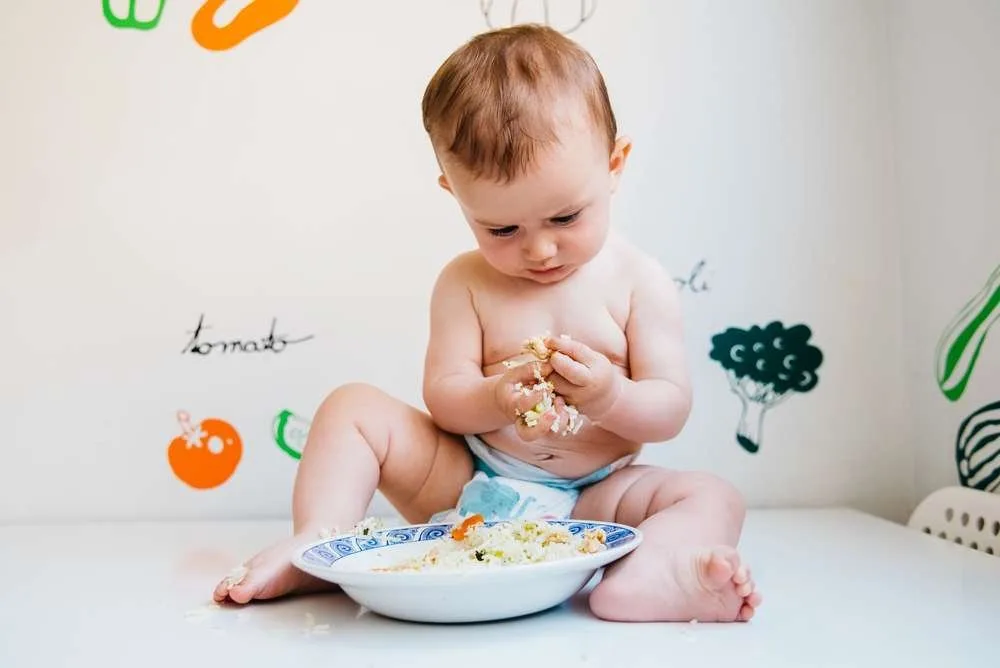
Embrace the Mess: Get ready for some mess! Baby-led weaning is hands-on, which means food will end up on the tray, the floor, and your baby's face. It's all part of the learning process.
Focus on Nutrients: As your baby starts eating solids, it's important to offer a good variety of foods to make sure they get all the nutrients they need, especially iron-rich foods.
Choking Concerns: Many parents worry about choking. Studies show that baby-led weaning does not increase choking risk compared to traditional spoon-feeding if you offer safe foods and supervise closely. Learning the difference between gagging and choking is key.
Learn More with Motherhood Center's Experts!
Feeling a little unsure about starting solids or baby-led weaning? You're not alone! At Motherhood Center, we offer a private VIP Introducing Solids class, available in person or virtually, designed just for parents like you. In this class, we cover:
The signs your baby is ready to eat solids.
The differences between baby-led weaning and purees.
Important nutrients for your growing child.
Recommendations for introducing common food allergens safely.
Our expert guidance can give you the confidence you need to start your baby's eating journey.
Ready to Start Your Baby's Food Journey?
Baby-led weaning is a wonderful way to help your baby build a happy and healthy relationship with food. It supports their independence, develops their skills, and makes mealtimes fun for the whole family. If you're ready to learn more, reach out to Motherhood Center today. Our experienced team, led by founder Gabriela Gerhart, is here to offer the resources and support you need every step of the way. Contact us to schedule your Introducing Solids class and feel confident as you begin this exciting new phase!
Frequently Asked Questions
When is the best time to start baby-led weaning?
Most babies are ready around 6 months old. Look for signs like being able to sit up unassisted, having good head control, and showing interest in food.
What foods are safest to offer for baby-led weaning?
Offer soft, easy-to-grasp foods like cooked vegetable sticks, ripe fruit slices, soft meat strips, and toast fingers. Avoid hard, round, or sticky foods.
Is gagging normal during baby-led weaning?
Yes, gagging is very common and a normal part of your baby learning to move food around their mouth. It's different from choking, where airflow is blocked.
How do I make sure my baby gets enough nutrients with baby-led weaning?
Offer a wide variety of foods from all food groups, focusing on iron-rich options. Remember, breast milk or formula remains the main source of nutrition for the first year.
Can I combine baby-led weaning with purees?
Absolutely! Many parents choose a mixed approach, offering both purees and finger foods. Do what feels right for you and your baby.
Welcome to Motherhood Center! We're glad you're here and want you to know that we respect your privacy and your right to control how we collect and use your personal data. Please read our Privacy Policy to learn about our privacy practices. Privacy Policy