5 Ways to Promote Language Development in Infants and Toddlers
September 11, 2024
Key Takeaways
Details
Talk to your baby constantly
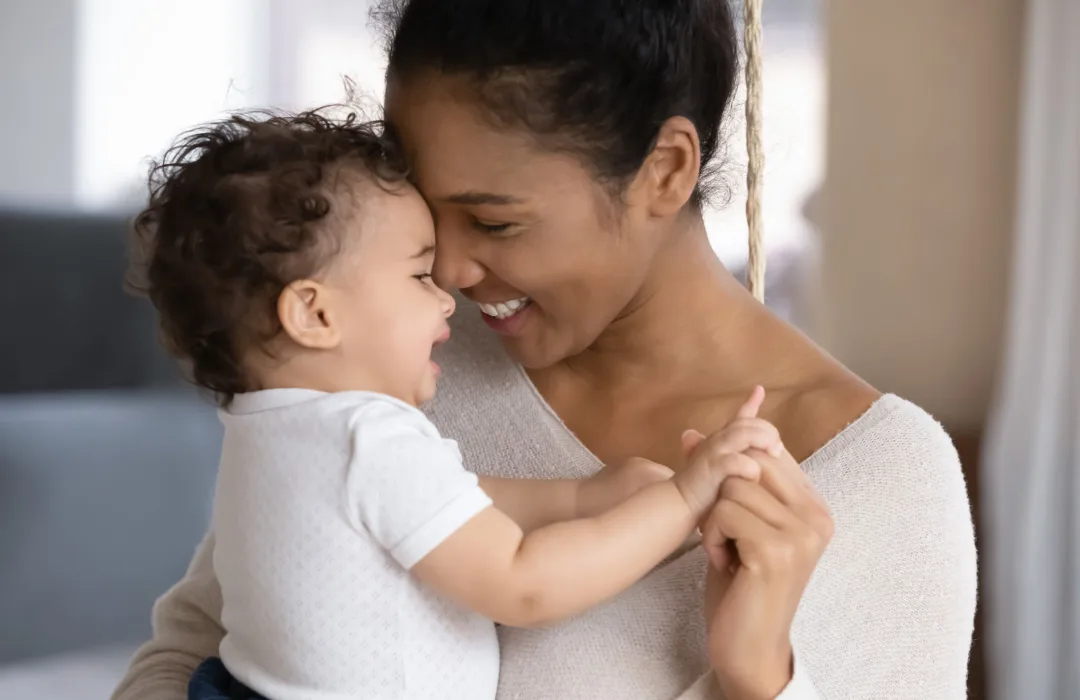
Describe what you're doing throughout the day. Use a friendly, high-pitched voice. Respond when your baby makes sounds.
Read together every day
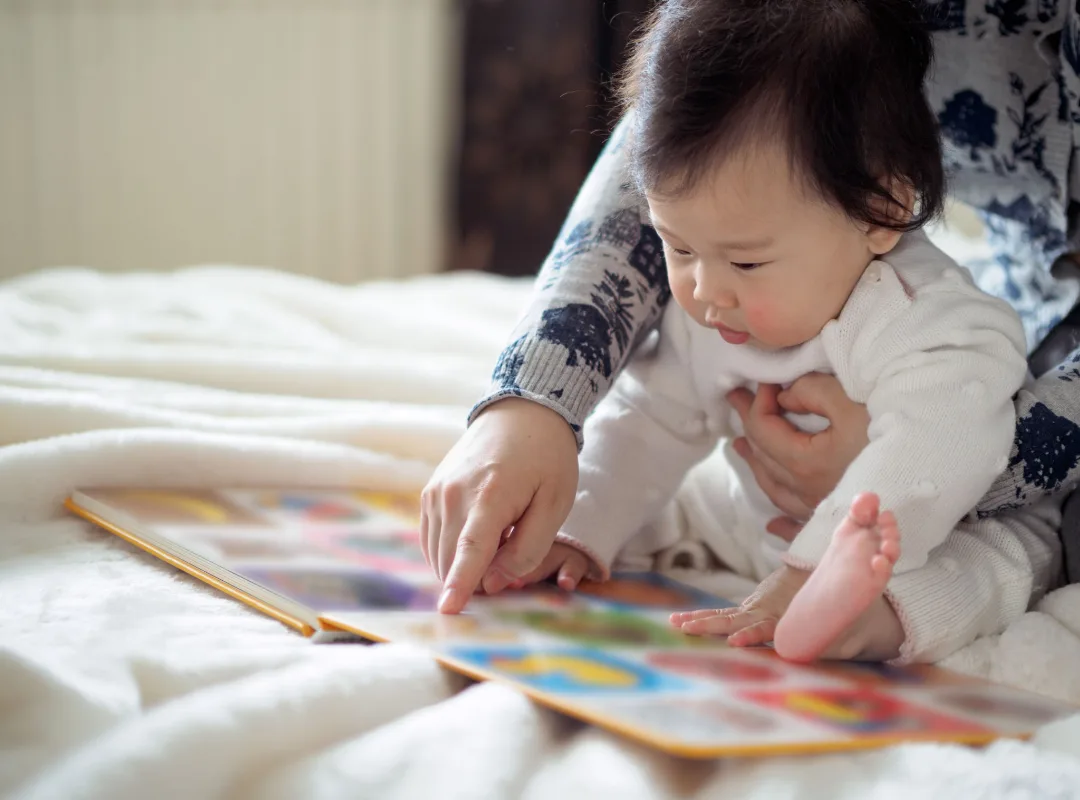
Choose books that match your child's age. Make reading fun by asking questions and pointing at pictures. Read a bedtime story every night.
Sing songs and nursery rhymes
Use music during daily activities like bath time. Add hand movements to songs. Encourage your child to sing along.
Play language-rich games
Name objects and body parts around you. Use picture cards to teach new words. Play pretend games like having a tea party.
Limit screen time
Follow doctor's advice on screen time. Have face-to-face conversations during meals. Set up playdates with other children.
Use Motherhood Center's resources
Join Parenting 101 and 102 classes to learn about child development. Try infant massage classes. Get help finding trained childcare providers.
Welcome to Motherhood Center's guide on promoting language development in infants and toddlers. As Houston's premier resource for expectant mothers and growing families, we understand the importance of nurturing your child's communication skills from an early age. Language development is a crucial aspect of your child's overall growth, influencing their ability to express thoughts, understand others, and interact with the world around them.In this article, we'll cover five effective strategies to boost your little one's language skills, drawing from our 20 years of experience in prenatal and parenting education. Whether you're a first-time parent or looking to enhance your approach with your growing family, these tips will help you create a language-rich environment for your child to thrive.
Talk to Your Baby Constantly
Language development begins with exposure, and talking to your baby is the most natural and effective way to introduce them to the world of words. Constantly engaging your infant in conversation helps them recognize speech patterns, understand emotions through tone, and eventually mimic the sounds they hear. Let's explore some ways to make talking to your baby a part of your daily routine.
Narrate daily activities
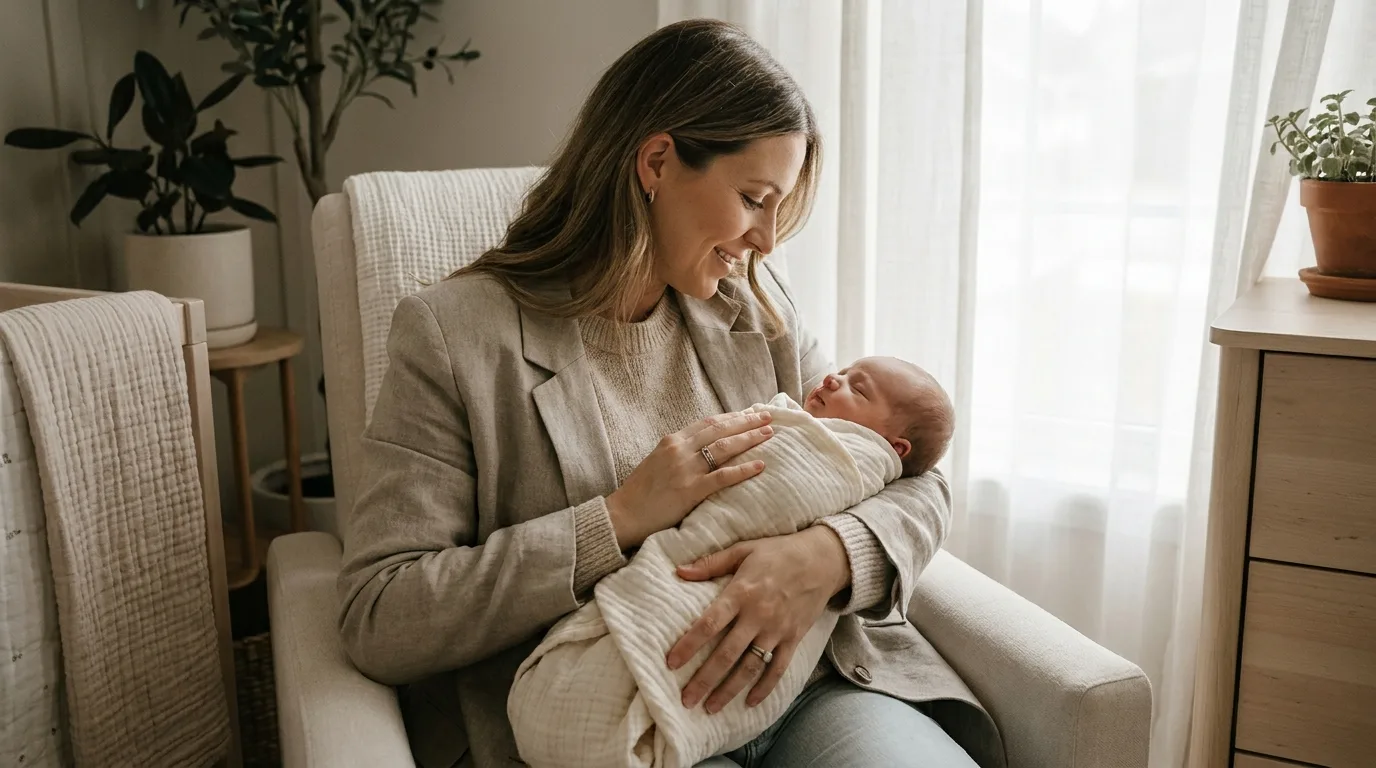
As you go about your day, describe what you're doing to your baby. Whether you're changing a diaper, preparing a meal, or folding laundry, use simple words and short sentences to explain your actions. This constant narration helps your baby associate words with objects and actions, laying the foundation for vocabulary development.
Use parentese
Parentese, often called "baby talk," is a modified way of speaking that naturally appeals to infants. It involves using a higher pitch, slower speech, and exaggerated intonation. This speaking style helps capture your baby's attention and makes it easier for them to distinguish between different sounds, which is crucial for language acquisition.
Respond to your baby's coos and babbles
When your baby makes sounds, respond as if you're having a conversation. This back-and-forth interaction teaches them the basics of communication and encourages them to vocalize more. It also shows your baby that their attempts at communication are valued, boosting their confidence in using language.
Read Together Every Day
Reading is a powerful tool for language development, introducing your child to new words, concepts, and the rhythm of language. Make reading a daily habit to give your child a strong linguistic foundation.
Choose age-appropriate books
Select books that match your child's age and interests. For infants, board books with simple pictures and few words are ideal. As your child grows, gradually introduce books with more complex stories and vocabulary.
Make reading interactive
Engage your child in the reading process by asking questions, pointing to pictures, and encouraging them to turn pages. This interaction makes reading more enjoyable and helps your child associate books with positive experiences.
Establish a bedtime story routine
Make reading a part of your nightly routine. A consistent bedtime story not only promotes language development but also creates a calming ritual that can help your child wind down for sleep.
Sing Songs and Nursery Rhymes
Music and rhymes are excellent tools for language development, helping children learn rhythm, repetition, and new vocabulary in an engaging way.
Incorporate music into daily routines
Use songs to make everyday activities more fun. Sing during bath time, while getting dressed, or during car rides. This not only entertains your child but also reinforces language.
Use hand gestures and movements
Accompany songs and rhymes with gestures or actions. This multi-sensory approach helps children connect words with meanings and enhances their understanding and retention of language.
Encourage your child to join in
As your child becomes familiar with songs and rhymes, encourage them to sing along or fill in words. This active participation boosts their confidence in using language and helps them practice pronunciation.
Play Language-Rich Games
Playtime is a perfect opportunity to incorporate language learning in a fun and natural way. Here are some games that can boost your child's language skills.
Name objects and body parts
Play simple naming games throughout the day. Point to objects around the house or parts of the body and name them. As your child grows, ask them to name the items, turning it into an interactive game.
Use picture cards and flashcards
Introduce picture cards or flashcards to expand your child's vocabulary. Start with basic objects and animals, then progress to more complex concepts as your child's language skills develop.
Engage in pretend play
Encourage imaginative play scenarios, like running a pretend store or having a tea party. This type of play allows children to practice using language in different contexts and roles.
Limit Screen Time and Prioritize Face-to-Face Interaction
While technology can be a useful tool, nothing beats face-to-face interaction for language development. Here's how to strike a balance and prioritize personal communication.
Set screen time guidelines
Establish clear rules about screen time, following recommendations from pediatric experts. For children under 18 months, try to avoid screen time altogether (except for video chatting with family). For older toddlers, limit screen time to high-quality, educational content.
Engage in conversations during meals
Use mealtimes as an opportunity for family conversations. Encourage your child to participate by asking open-ended questions and showing interest in their responses.
Organize playdates with other children
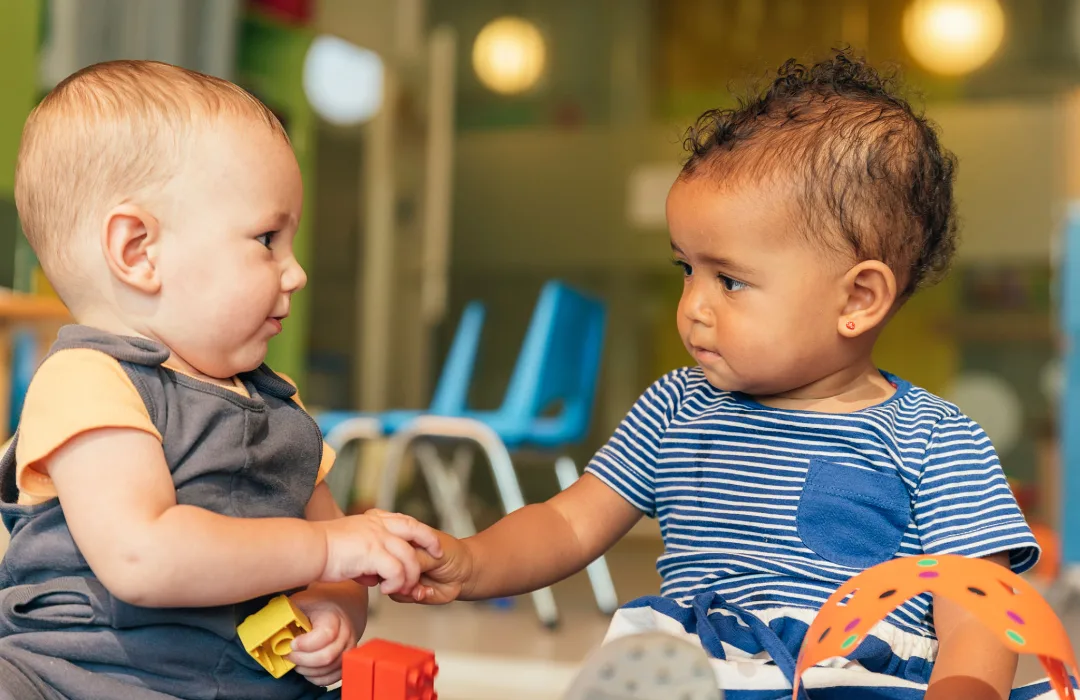
Arrange regular playdates to give your child opportunities to interact with peers. These social interactions are crucial for developing language skills and learning to communicate effectively with others.
Resources at Motherhood Center
At Motherhood Center, we're dedicated to supporting families throughout their parenting journey. Our comprehensive services and classes are designed to empower parents with the knowledge and skills to nurture their child's growth in all areas, including communication.Our Parenting 101 and 102 classes are invaluable resources for parents. These sessions cover a wide range of early childhood development topics, including language development. You'll learn age-appropriate techniques to boost your child's language skills, understand developmental milestones, and gain practical strategies for creating a language-rich environment at home. We also offer infant massage classes. Infant massage promotes bonding and creates a perfect setting for one-on-one communication, further enhancing your baby's language development.For families seeking childcare, our services connect you with experienced professionals who understand the importance of developmental support. Our recommended childcare providers are trained in implementing age-appropriate activities that can promote language skills. Whether you need full-time care or occasional support, our childcare professionals can help reinforce language development strategies, ensuring consistency in your child's learning environment.
Conclusion
Promoting language development in your infant or toddler is a rewarding journey that lays the foundation for their future communication skills. By implementing these five strategies - talking constantly, reading together, singing songs and nursery rhymes, playing language-rich games, and prioritizing face-to-face interaction - you're giving your child the best start in their language development journey.Remember, every child develops at their own pace, and consistency is key. At Motherhood Center, we're committed to supporting you through every stage of your parenting journey. Our parenting education classes offer invaluable insights into early childhood development, including language acquisition. We encourage you to explore our range of services, from prenatal education to childcare support, designed to help you and your child thrive.Don't hesitate to reach out to Motherhood Center for more information on our classes, including our parenting classes and infant massage sessions. Our experienced team is here to guide you through the beautiful journey of parenthood and help your child reach their full potential. Contact us today to learn more about how we can support your family's growth and development.
FAQs
When should my baby start talking?
While every child develops at their own pace, most babies say their first words between 11-14 months. By 18 months, many toddlers can say several words, and by age 2, most can string together simple phrases. Remember, receptive language (understanding) develops before expressive language (speaking).
How can I tell if my child has a language delay?
Signs of a potential language delay include not babbling by 4-7 months, not using gestures like waving by 12 months, not speaking single words by 16 months, or not using two-word phrases by 24 months. If you're concerned, consult your pediatrician or a speech-language pathologist.
Is it beneficial to teach my baby sign language?
Yes, teaching simple signs can be beneficial. Baby sign language can help reduce frustration by giving your child a way to communicate before they can speak. It doesn't delay verbal language development and may even enhance it by encouraging communication.
Can bilingualism confuse my child's language development?
No, bilingualism does not confuse children or delay language development. While bilingual children might mix languages initially, they typically sort them out by age 4 or 5. Being bilingual can offer cognitive advantages and greater cultural awareness.
How much screen time is appropriate for language development?
The American Academy of Pediatrics recommends no screen time for children under 18 months (except video chatting), and limited high-quality programming for children 18-24 months. For ages 2-5, limit screen use to 1 hour per day of quality programming. Prioritize interactive, face-to-face activities for optimal language development.
Welcome to Motherhood Center! We're glad you're here and want you to know that we respect your privacy and your right to control how we collect and use your personal data. Please read our Privacy Policy to learn about our privacy practices. Privacy Policy