Best Exercises During Pregnancy: Your Guide to Safe Prenatal Workouts
August 13, 2025
The moment you find out you’re pregnant, your world shifts. It's a period of incredible anticipation, but it also comes with a long list of questions, especially about your physical well-being. A common question we hear from expecting mothers in Houston is, "What can I actually do?" The good news is that movement is not only possible but highly recommended. The right exercises during pregnancy are about so much more than fitness; they're about preparing your body for the marathon of childbirth, managing discomfort, and keeping your mind clear and focused.Think of these nine months as a time to connect with your body's new capabilities, not to retreat from them. This guide is your permission slip to move with confidence, offering a clear roadmap to safe and beneficial exercises during pregnancy.
The “Why” Behind the Workout: The Science of Moving for Two
When you exercise during pregnancy, you're creating a healthier environment for both you and your baby. The American College of Obstetricians and Gynecologists (ACOG) is a leading authority on this, recommending at least 150 minutes of moderate-intensity aerobic activity each week.So, what’s happening on a physiological level?
Enhanced Blood Flow: Exercise increases blood circulation, which means more oxygen and essential nutrients are efficiently delivered to your placenta and your baby.
Endorphin Release: The "feel-good" chemicals released during a workout can help manage mood swings and reduce feelings of stress and anxiety.
Strength & Stamina: Building endurance now can be a significant asset during labor and delivery. A stronger core and pelvic floor can also contribute to a smoother postpartum recovery.
The Big Wins: More Than Just Physical Fitness
The advantages of staying active extend far beyond the delivery room. A consistent routine of safe exercises during pregnancy offers benefits that can make your entire nine-month journey more comfortable and enjoyable.
Reduces Aches and Pains: A stronger back and core can help alleviate the back pain that often accompanies a growing belly.
Improves Sleep: Many women report better quality sleep when they incorporate regular physical activity into their day.
Lowers Gestational Diabetes Risk: Staying active helps your body regulate blood sugar levels, cutting the risk of developing gestational diabetes.
Promotes Healthy Weight Gain: Exercise helps you manage weight gain within a healthy range, as recommended by your healthcare provider.
Boosts Your Mood: The mental clarity and mood elevation from a good workout are undeniable assets during the emotional ups and downs of pregnancy.
Your Pregnancy-Approved Fitness Regimen
So, what are the best exercises during pregnancy? The key is to choose activities that are low-impact and focus on stability, strength, and flexibility.
Prenatal Yoga & Pilates
Specifically designed for the pregnant body, prenatal yoga and pilates are superstars of the prenatal fitness world. These practices focus on controlled breathing, which is invaluable during labor. They also improve flexibility and place a special focus on strengthening the pelvic floor muscles—the very muscles that support your uterus, bladder, and bowels. This isn't just about movement; it's about building a profound connection between your mind and body.
Swimming & Water Aerobics
Imagine feeling nearly weightless, even in your third trimester. That’s the magic of the pool. Water supports your joints and the weight of your growing baby, providing a safe environment for cardiovascular exercise. The gentle resistance of the water helps build strength without strain, making it one of the most comfortable and effective exercises during pregnancy.
Brisk Walking & Stationary Cycling
Never underestimate the power of a good walk. It’s accessible, free, and an excellent way to get your heart rate up without jarring your joints. Similarly, a stationary bike offers a great low-impact cardio workout. You can control the intensity and environment, eliminating concerns about uneven terrain or losing your balance.
Strength Training
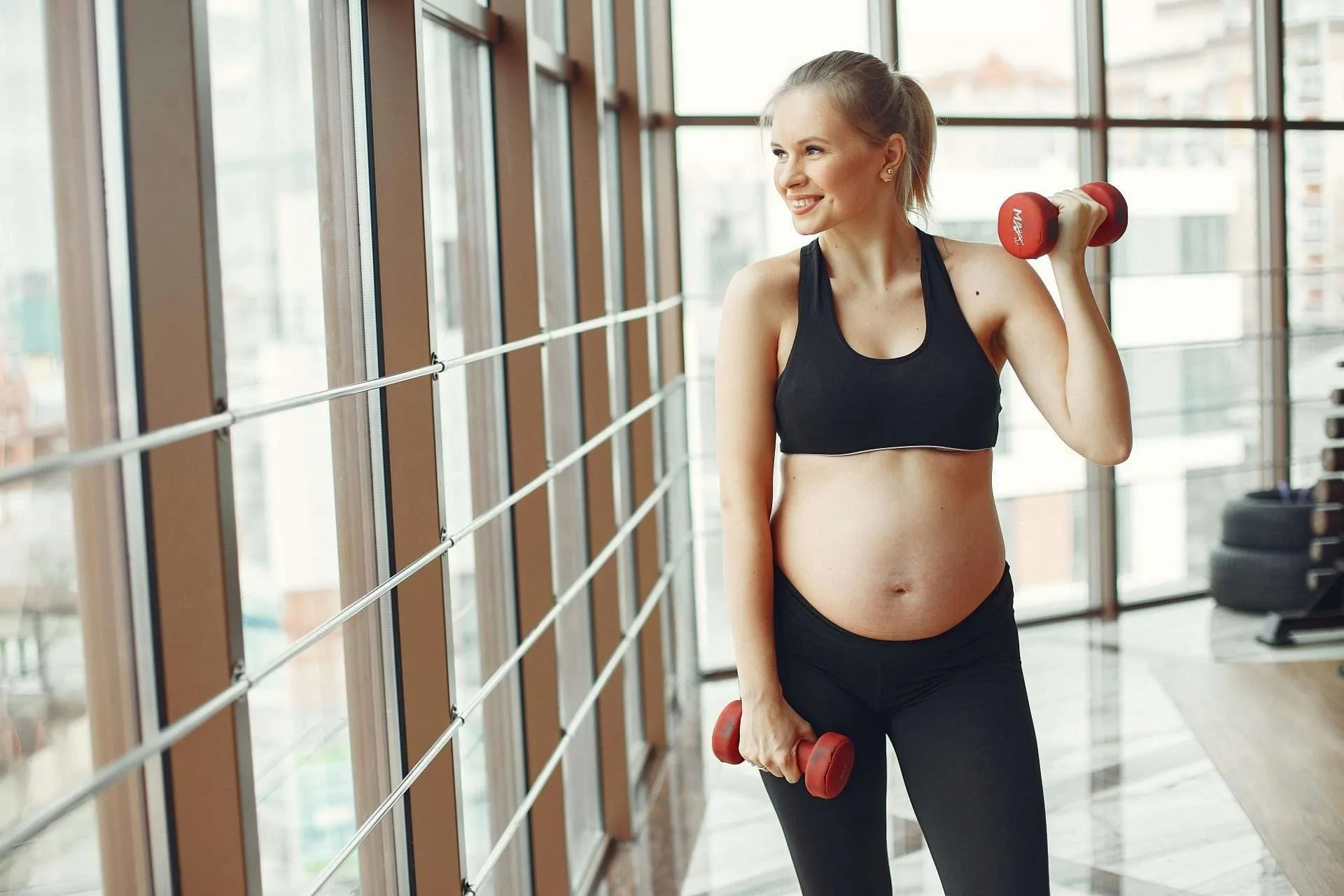
Lifting weights is still on the table, but with some smart modifications. According to the Mayo Clinic, focusing on maintaining strength is key. Think lighter weights with more repetitions. Bodyweight exercises like squats, lunges, and pelvic tilts are excellent for building functional strength that will help you carry your baby (both in and out of the womb).
The Move List: A Sample Routine
Exercise
Primary Benefit
Notes
Cat-Cow Stretch
Relieves back tension, improves spine mobility
Excellent for all trimesters.
Pelvic Tilts
Strengthens abdominal muscles, reduces back pain
Can be done standing, sitting, or on hands and knees.
Bodyweight Squats
Builds leg and glute strength for carrying extra weight
Keep your chest up and back straight. Go as deep as feels comfortable.
Kegels
Strengthens the pelvic floor for labor and recovery
Can be performed anywhere, anytime. Focus on quality contractions.
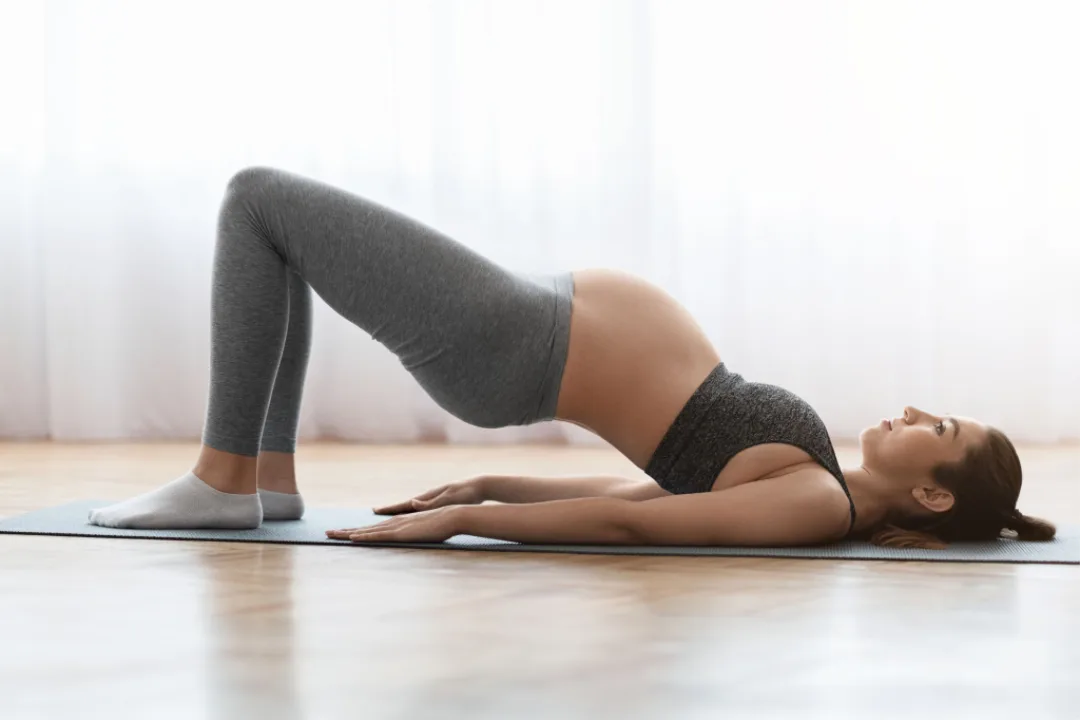
Glute Bridges
Strengthens glutes and hamstrings, supports the lower back
Stop doing this on your back after the first trimester; consult a trainer for modifications.
Here’s a look at some go-to moves that are safe and beneficial throughout pregnancy. Always listen to your body and stop if you feel any pain.
Find Your Flow in Houston: Prenatal Yoga and Pilates at Motherhood Center
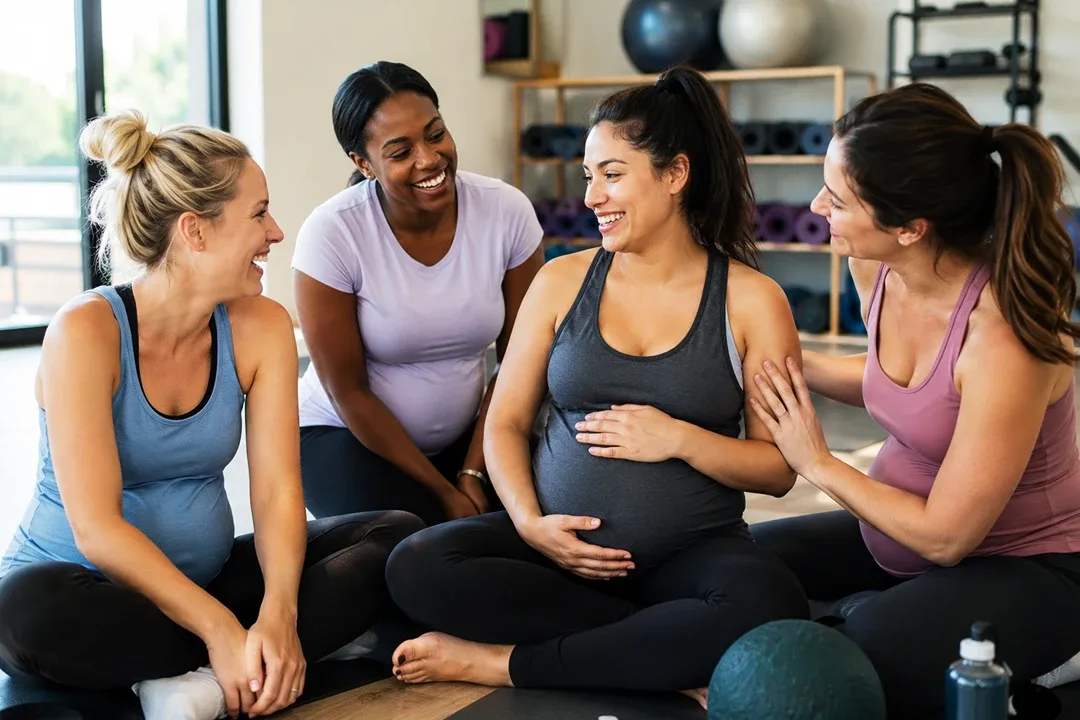
Finding a community that understands your journey can make all the difference. At Motherhood Center in Houston, our specialized prenatal yoga and pilates classes are designed to support you through every stage of pregnancy. Whether you're just beginning your second trimester or preparing for delivery, our expert instructors provide thoughtful and safe guidance in a welcoming environment.We offer private sessions for a more personalized experience and group classes where you can connect with other expecting moms who understand what you're going through. Every session is focused on helping you move with intention, ease discomfort, strengthen your body, and quiet your mind.
The Final Stretch: Your Journey, Your Strength
Incorporating exercises during pregnancy is a personal journey. Some days, a brisk walk will feel perfect; on others, a gentle stretching session is what your body needs. The goal is to find joy in the movement and celebrate what your body is accomplishing.At Motherhood Center, we see your wellness journey as a whole. Alongside our prenatal yoga and pilates, we offer nutrition classes tailored for pregnancy, massage therapy to ease tension, and postpartum doula services to support your transition into new motherhood. Contact us or come visit us in Houston—we’re excited to walk with you every step of the way.
Frequently Asked Questions
When is the best time to start exercises during pregnancy?
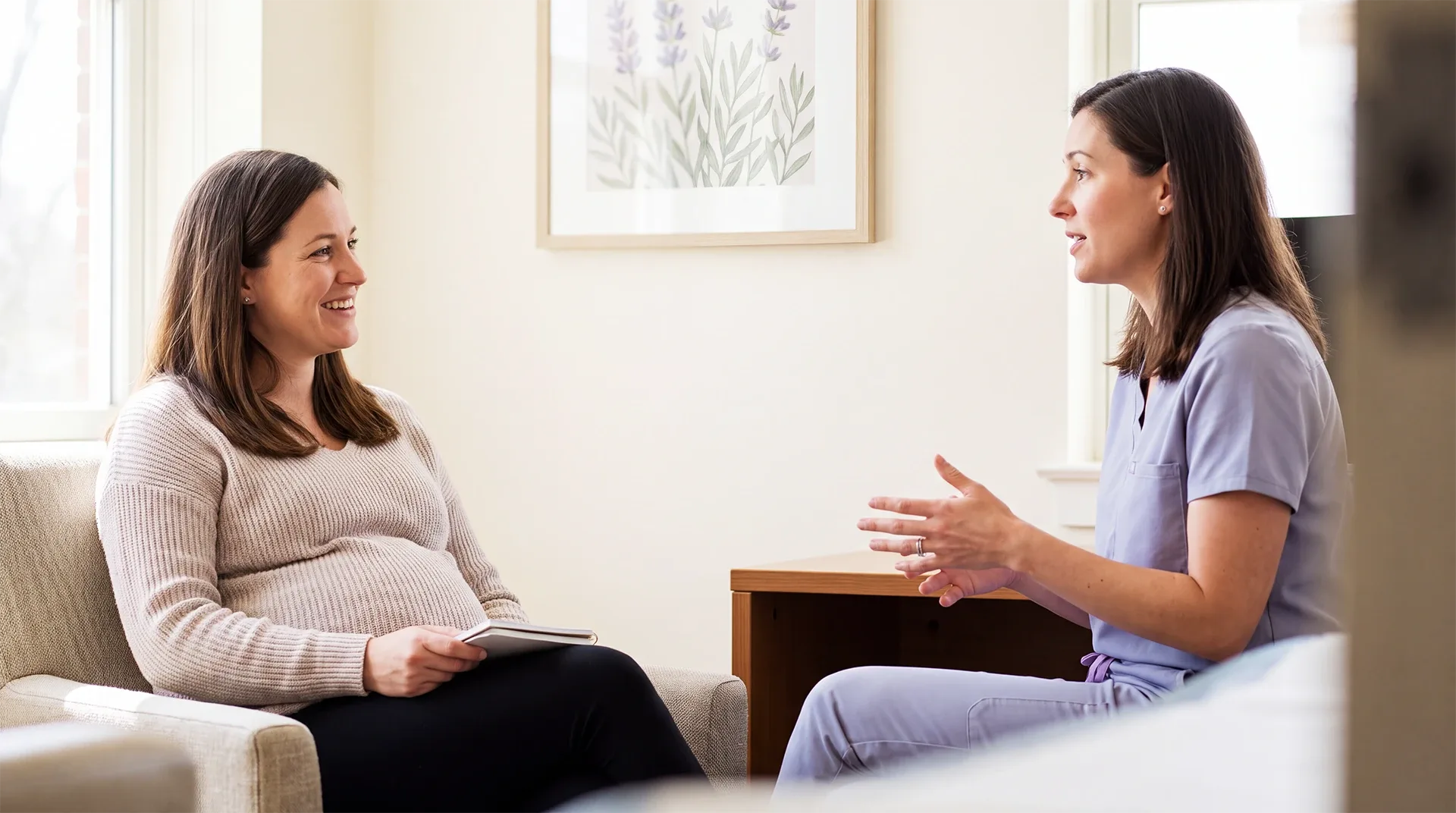
If you were active before pregnancy and have an uncomplicated pregnancy, you can typically continue your routine with modifications. If you're new to exercise, you can usually begin in the first trimester. However, it is essential to get clearance from your doctor before starting any new fitness program.
What are some warning signs that I should stop exercising?
According to ACOG, you should stop immediately and contact your healthcare provider if you experience vaginal bleeding, dizziness, chest pain, headache, muscle weakness, or regular, painful contractions.
Are Kegel exercises really that important?
Yes. Kegels strengthen the pelvic floor muscles, which support the uterus, bladder, and bowels. A strong pelvic floor can help with pushing during labor, prevent postpartum incontinence, and support overall core stability.
How much exercise is enough without overdoing it?
The general recommendation is 150 minutes of moderate-intensity exercise per week, broken up into 20-30 minute sessions. A good rule of thumb for "moderate intensity" is that you can still hold a conversation while you're moving.
Can I continue running during my pregnancy?
If you were a runner before becoming pregnant, you can often continue, provided you have your doctor’s approval. You will likely need to adjust your intensity, listen carefully to your body, and be mindful of your changing center of gravity to prevent falls.
Welcome to Motherhood Center! We're glad you're here and want you to know that we respect your privacy and your right to control how we collect and use your personal data. Please read our Privacy Policy to learn about our privacy practices. Privacy Policy