Baby-Safe Hurricane Kit: Essential Supplies for Houston Families
July 15, 2024
Houston's hurricane season runs from June 1 to November 30, with peak activity typically occurring in August and September. As parents, it's crucial to be prepared well in advance. This checklist will help you gather all the essential supplies you'll need to create a baby-safe hurricane kit.Creating a comprehensive hurricane kit for your baby requires thoughtful planning and consideration of your little one's needs. From diapers and formula to comfort items and medical supplies, each element plays a role in ensuring your family's well-being during unpredictable weather events. By assembling your hurricane kit early and keeping it updated, you'll have peace of mind knowing you're ready to face challenges that may arise.
Diapers and Wipes
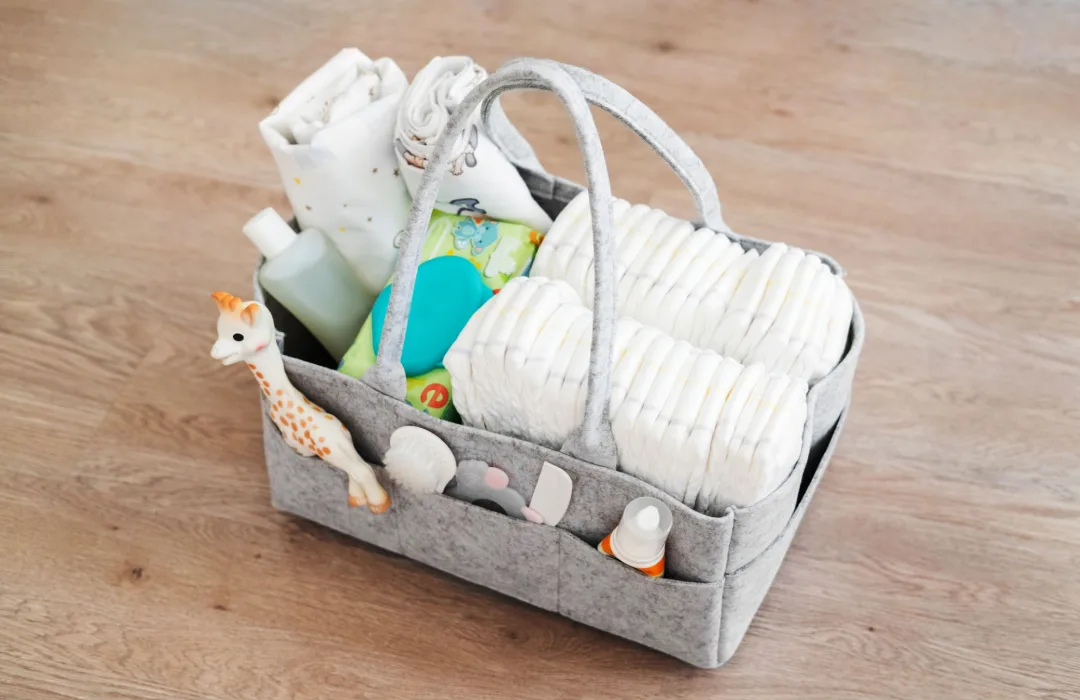
When assembling your baby-safe hurricane kit, diapers and wipes should be at the top of your list. During a hurricane or severe storm, access to stores may be limited, so it's crucial to have an ample supply on hand. We recommend including at least a week's worth of diapers in your baby's current size, as well as the next size up in case of a prolonged emergency. Don't forget to pack plenty of wipes for diaper changes and general cleaning. These items are essential for maintaining your baby's hygiene and preventing diaper rash during potentially stressful situations.
Formula and Bottled Water
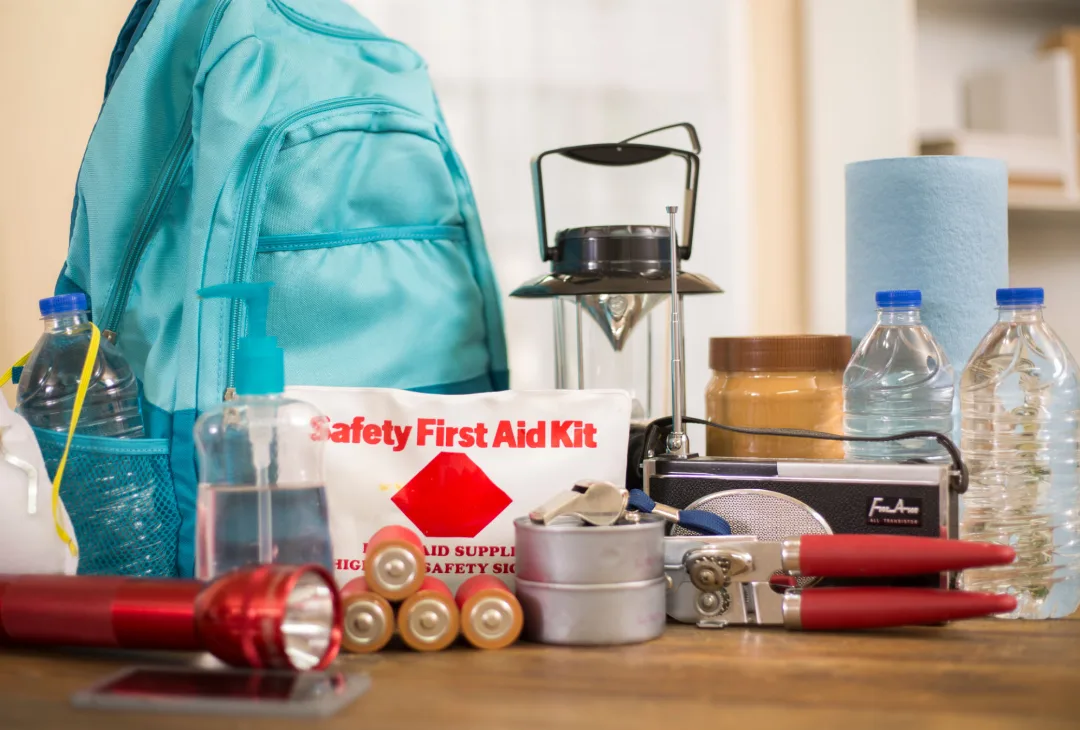
For families who rely on formula, this item is a critical component of your hurricane kit. Ensure you have at least a week's supply of your baby's preferred formula. Additionally, stock up on bottled water specifically for formula preparation and drinking. The general rule is to have one gallon of water per person per day for at least three days, but for babies, you'll want to factor in extra for formula mixing and cleaning bottles. Remember, in the event of a power outage or water contamination, having a safe water supply for your baby is paramount.
Ready-to-Feed Formula
As part of your hurricane kit, consider including ready-to-feed formula as a backup option. This type of formula doesn't require mixing with water, making it incredibly convenient in situations where clean water might be scarce or when you need to prepare a bottle quickly. While it may be more expensive than powdered formula, having a few bottles or cans of ready-to-feed formula in your kit can be a lifesaver during a hurricane. It's especially useful if you need to evacuate quickly or if you're in a situation where sterilizing bottles and preparing formula safely becomes challenging.
Breast Pump and Batteries
For nursing mothers, including a breast pump in your hurricane kit is essential. In stressful situations, your milk supply might fluctuate, and having a pump ensures you can maintain your supply and have milk available for your baby at all times. If you use an electric pump, make sure to include backup batteries in case of power outages. A manual pump is also a great option as it doesn't require electricity. Don't forget to pack clean bottles or milk storage bags to safely store expressed milk.
Non-Perishable Baby Food
When creating your hurricane kit, include a variety of non-perishable baby foods. This is especially important if your baby has started solids. Stock up on jarred or pouched baby foods that don't require refrigeration. Include a mix of fruits, vegetables, and proteins to ensure a balanced diet. Remember to pack baby cereals if your little one eats them. These foods can be a crucial source of nutrition if your usual food preparation methods are unavailable due to power outages or water shortages during a hurricane.
Medications
An often overlooked but crucial part of your hurricane kit is medications for your baby. Ensure you have a sufficient supply of any prescription medications your baby needs. It's advisable to have at least a week's worth on hand. Don't forget over-the-counter essentials like infant acetaminophen for fever and pain relief, saline drops for nasal congestion, and any other medications your baby might need regularly. Keep all medications in their original containers and store them in a waterproof container to protect them from potential water damage.
First Aid Kit
A well-stocked first aid kit is a must-have in any hurricane kit, especially when you have a baby. Include baby-specific items like a nasal aspirator, digital thermometer, and infant-safe bandages. Pack antiseptic wipes, antibiotic ointment, and any other first-aid supplies you might need for minor injuries or illnesses. Remember to include any specific items related to your baby's health needs. Having these supplies on hand can provide peace of mind and allow you to address minor health issues quickly during a hurricane.
Battery-Powered or Hand-Crank Radio
When preparing your hurricane kit, don't underestimate the importance of staying informed. A battery-powered or hand-crank radio is essential for receiving weather updates and emergency instructions, especially if cell phone networks become unreliable. Choose a radio that can tune into NOAA Weather Radio for real-time storm information. This tool can be crucial in helping you make informed decisions about when to shelter in place or evacuate with your baby.
Flashlights and Extra Batteries
Reliable light sources are a critical component of your hurricane kit. Power outages are common during hurricanes, and navigating in the dark with a baby can be challenging and potentially dangerous. Pack several flashlights and plenty of extra batteries. Consider including a headlamp for hands-free illumination, which can be particularly useful when caring for your baby. LED lanterns are also great for providing ambient light in a room, making nighttime feedings and diaper changes easier.
Portable Phone Charger
In today's connected world, a portable phone charger is an essential item in your hurricane kit. During a hurricane, your phone is your lifeline for emergency communications, accessing important information, and staying in touch with loved ones. A fully charged power bank can keep your devices running even if the power is out for an extended period. Look for a high-capacity charger that can provide multiple charges to your phone. This can be crucial for accessing important baby care information or contacting emergency services if needed.
Baby Carrier or Sling
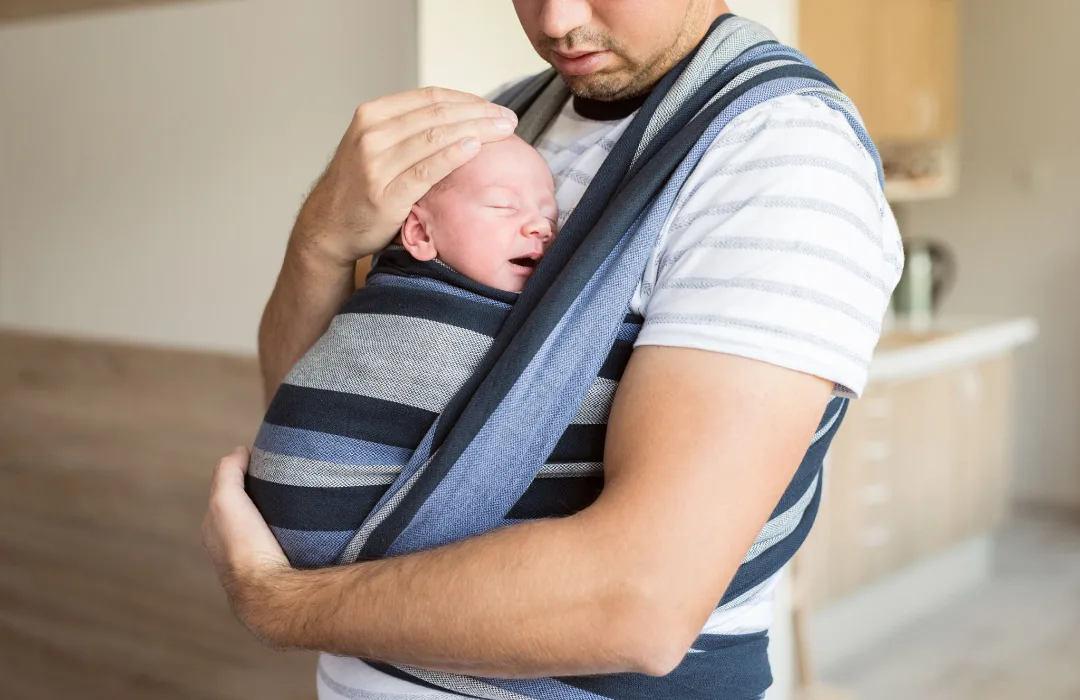
A baby carrier or sling is a valuable addition to your hurricane kit. In emergency situations, having your hands free while keeping your baby close and secure can be incredibly helpful. Whether you need to navigate through flood waters, carry supplies, or simply comfort your little one during stressful times, a carrier allows you to do so safely. Choose a carrier that's comfortable for both you and your baby, and practice using it before an emergency arises.
Comfort Items
Don't forget to include comfort items in your hurricane kit. Familiar objects can help soothe your baby during the stress and disruption of a hurricane. Pack your baby's favorite blanket, stuffed animal, or toy. These items can provide emotional comfort and a sense of normalcy in unfamiliar or frightening situations. If your baby uses a pacifier, be sure to pack extras. Having these comfort items on hand can make a big difference in keeping your little one calm and content during a potentially scary time.
Extra Clothing
When preparing your hurricane kit, remember to pack extra clothing for your baby. Include several changes of weather-appropriate clothing, including warm layers. Hurricanes can bring unpredictable weather, from high humidity to sudden temperature drops. Pack a mix of lightweight and warm clothing to ensure your baby stays comfortable in various conditions. Don't forget essentials like socks, hats, and a light jacket. Having clean, dry clothes available can help prevent skin irritation and keep your baby comfortable, especially if you need to evacuate or if your home experiences water damage.
Waterproof Document Holder
A waterproof document holder is a crucial yet often overlooked item in your hurricane kit. Use it to store important documents like your baby's birth certificate, medical records, and immunization cards. Include copies of your family's identification documents, insurance information, and any other critical paperwork. In the event of an evacuation or if your home sustains water damage, having these documents protected and easily accessible can save you significant stress and complications in the aftermath of a hurricane.
Hand Sanitizer and Cleaning Supplies
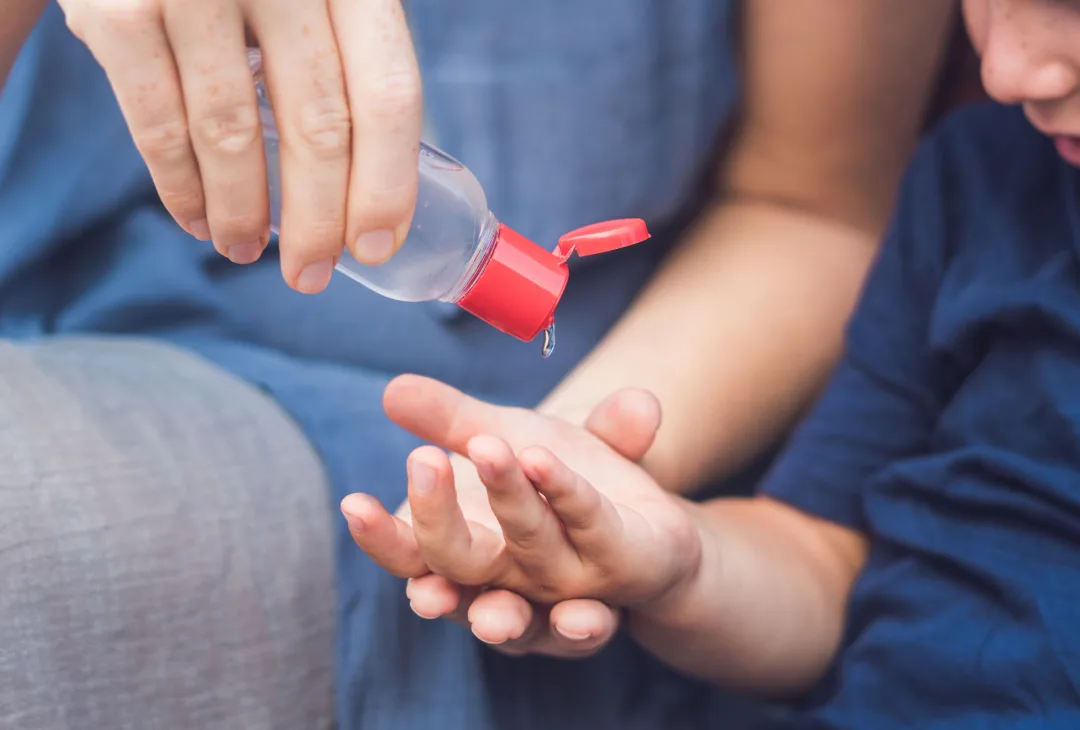
Maintaining hygiene is crucial during a hurricane, making hand sanitizer and cleaning supplies essential items in your kit. Pack alcohol-based hand sanitizer for times when soap and water aren't available. Include disinfecting wipes for cleaning surfaces and baby gear. Don't forget basics like paper towels and garbage bags. These supplies can help you maintain a clean environment for your baby, reducing the risk of illness during a time when medical care might be harder to access. Remember, good hygiene practices are even more important during emergencies.
Conclusion
Being prepared for a hurricane when you have a baby requires careful planning and consideration. By assembling this comprehensive baby-safe hurricane kit, you'll be well-equipped to handle the challenges that may arise during Houston's storm season. Remember to check and update your kit regularly, replacing expired items and adjusting supplies as your baby grows.At Motherhood Center, we're committed to supporting Houston families through every stage of parenthood, including challenging times like hurricane season. Our team of experts is here to help you with all aspects of prenatal and postpartum care, from parenting education to childcare support and beyond. Contact Motherhood Center today to learn more about our comprehensive services and how we can support you and your family.
FAQs
How often should I update my baby's hurricane kit?
Review and update your kit at least twice a year, ideally at the beginning and end of hurricane season. Also, update supplies as your baby grows and their needs change.
What's the best way to store breast milk in my hurricane kit during a power outage?
Use insulated coolers with ice packs to store breast milk. Without power, freshly expressed milk can be stored this way for up to 24 hours. Always use the oldest milk first.
How can I keep my baby's formula safe in my hurricane kit if I need to evacuate?
Pack formula in a waterproof container or sealable plastic bags. If using powder formula, pre-measure portions into individual bags for easy preparation.
What should I do if my baby gets sick during a hurricane?
Use the first aid kit in your hurricane preparedness supplies for minor issues. For serious concerns, try to contact your pediatrician or emergency services. If you must evacuate, inform the shelter staff of any medical needs.
How can I help my baby stay calm during a hurricane?
Maintain routines as much as possible, use comfort items from your hurricane kit, and stay close to your baby. Your calm demeanor can help soothe your little one during stressful situations.
Welcome to Motherhood Center! We're glad you're here and want you to know that we respect your privacy and your right to control how we collect and use your personal data. Please read our Privacy Policy to learn about our privacy practices. Privacy Policy